- +91 98673 70009
- drnikitappatel@gmail.com
- Mon–Sat, 10:00 AM – 7:30 PM
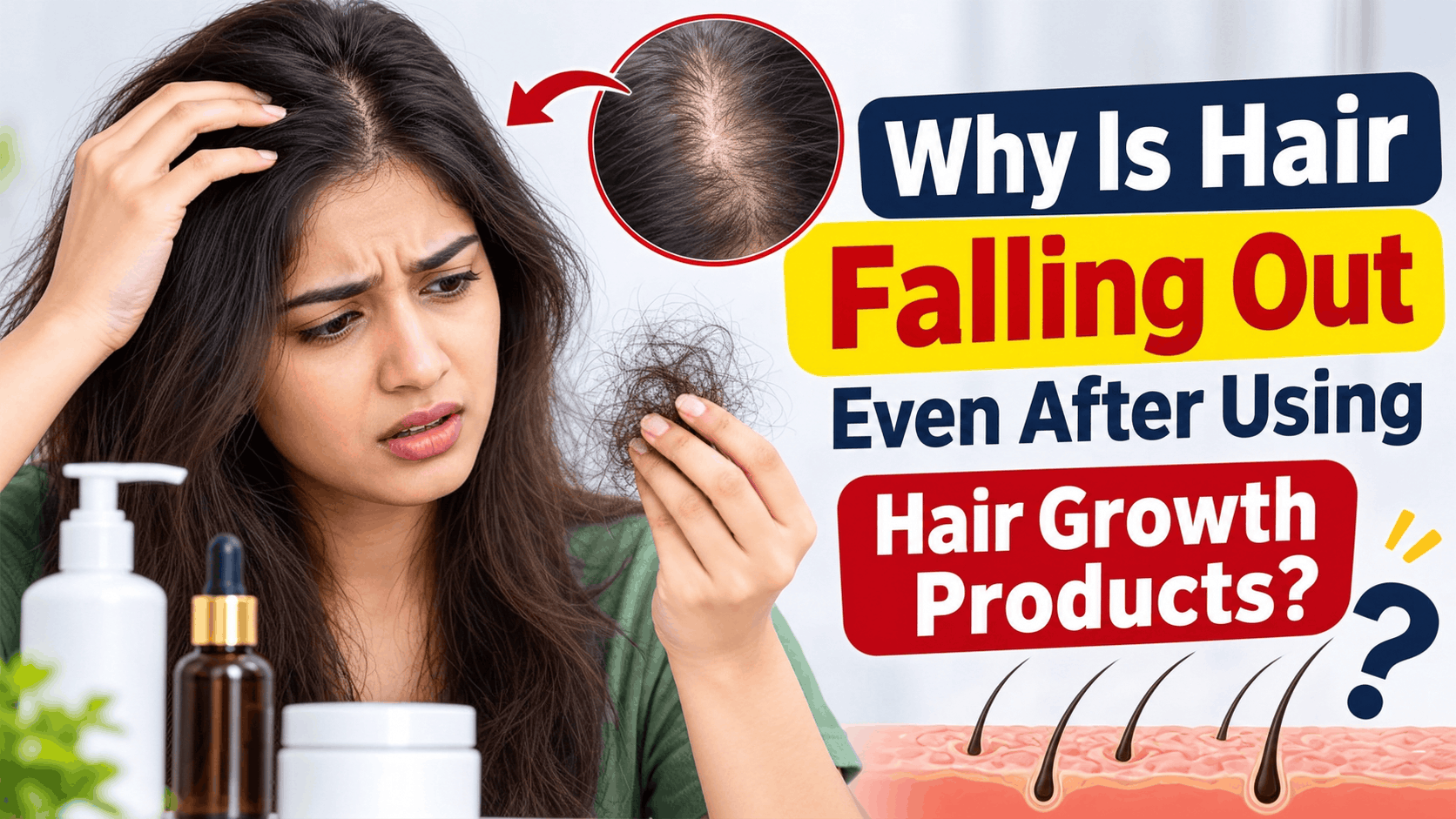
Hair fall can be frustrating, especially when you are already using shampoos, oils, serums, and other hair growth products. Many people expect these products to reduce hair shedding and improve hair thickness. However, hair loss may continue despite regular use. If you are wondering Why Is Hair Falling Out Even After Using Hair Growth Products?, the reason could be nutritional deficiencies, hormonal changes, genetics, stress, or underlying scalp conditions. Consulting the best skin specialist in thane can help identify the actual cause of hair loss and recommend suitable treatment. Visiting the best skin care clinic in thane can also help you receive a proper scalp evaluation and personalised hair care guidance.
Hair growth products do not work for every type of hair loss. Some products help moisturise the scalp, reduce dryness, or improve hair appearance. However, they may not address the underlying medical reason for hair shedding.
For example, if your hair loss is caused by thyroid problems, low iron levels, hormonal changes, or genetic factors, using hair oils and shampoos alone may not provide the expected results.
Hair growth is also a gradual process. Even with appropriate treatment, visible improvement may take several months. Therefore, understanding the reason behind hair fall is the first step towards healthier hair.
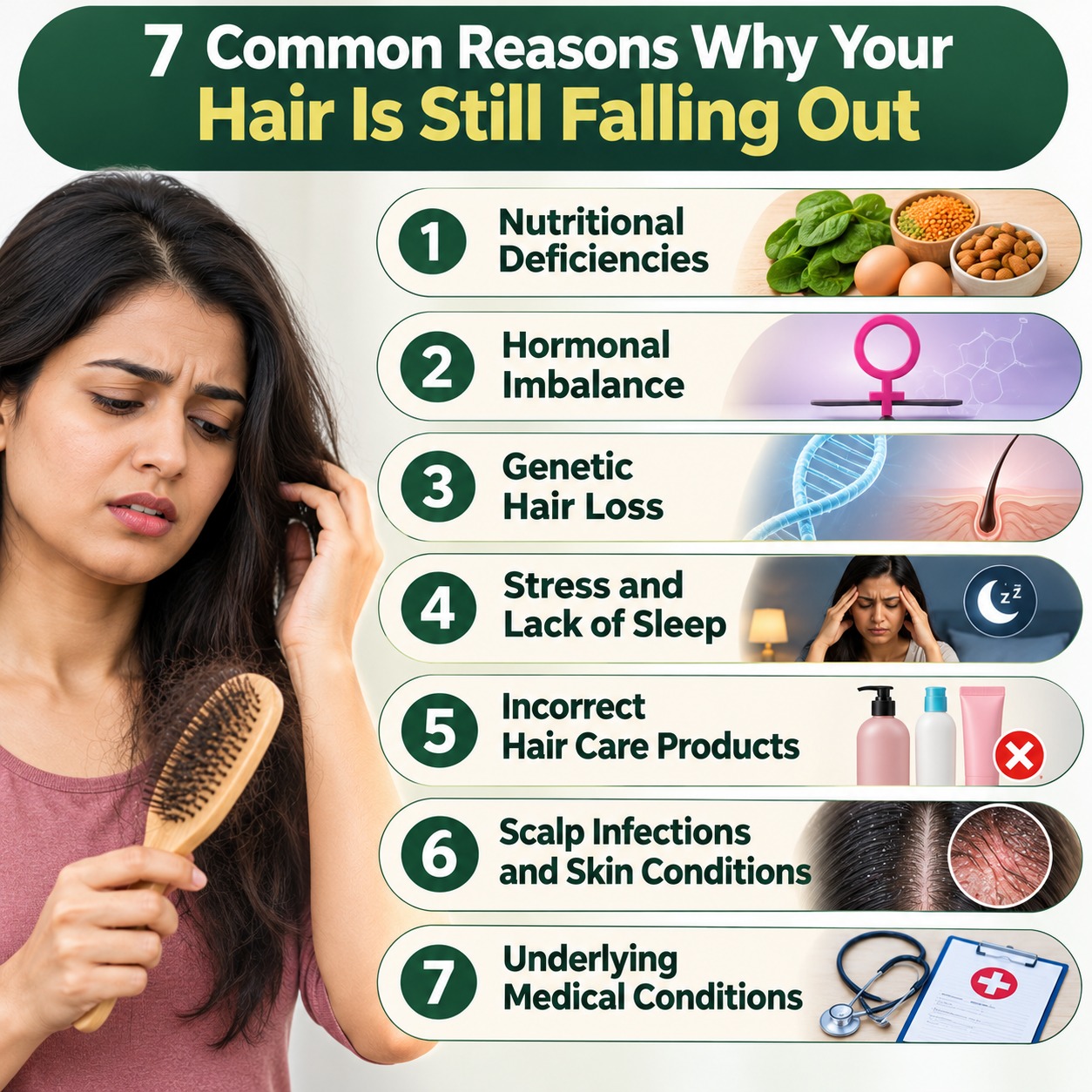
Your hair needs essential nutrients to grow properly. A lack of iron, vitamin D, vitamin B12, zinc, and protein can affect normal hair growth.
When your body does not receive enough nutrients, hair follicles may become weaker, leading to increased shedding.
Include green vegetables, fruits, nuts, seeds, dairy products, and protein-rich foods in your daily diet. If a deficiency is suspected, a doctor may recommend appropriate blood tests.
Consulting the best clinic for skin treatment in Thane can help you understand whether nutritional deficiencies are contributing to your hair fall and explore suitable treatment options.
Hormonal changes can affect the normal hair growth cycle. Conditions such as thyroid disorders and polycystic ovary syndrome (PCOS) may contribute to hair thinning.
Some people experience gradual hair loss around the crown, while others notice reduced hair density across the scalp.
Using cosmetic hair products may not solve hormonally related hair loss. Proper medical evaluation is important to identify and manage the underlying condition.
Visiting the best skin clinic center in Thane can help you get a proper scalp and hair assessment, identify possible hormonal causes, and receive appropriate treatment guidance.
Family history can influence your chances of experiencing hair thinning. Genetic hair loss, also known as androgenetic alopecia, can affect both men and women.
It usually develops gradually. Men may notice a receding hairline, while women may experience thinning around the crown or widening of the hair parting.
Early diagnosis can help manage this condition. A dermatologist can suggest suitable treatment depending on the pattern and severity of hair loss.
Physical and emotional stress can disturb the normal hair growth cycle.
Major illness, surgery, sudden weight loss, emotional stress, and poor sleep may trigger a condition called telogen effluvium. It causes more hair follicles than usual to enter the shedding phase.
Hair fall may become noticeable two to three months after a stressful event.
Maintaining a regular sleep schedule, eating nutritious food, and managing stress can support healthy hair growth.
Not every hair growth product is suitable for every scalp type. Using products without understanding your hair condition may lead to irritation, dryness, or scalp discomfort.
Frequent heat styling, excessive chemical treatments, and tight hairstyles can also damage hair and cause breakage.
Choose gentle products according to your scalp condition. Avoid frequently changing shampoos and serums without understanding their ingredients and purpose.
A healthy scalp provides a suitable environment for hair growth. Problems such as dandruff, seborrheic dermatitis, psoriasis, and fungal infections may cause itching, redness, inflammation, and increased hair shedding.
Scratching an irritated scalp can further damage the hair and skin.
If you notice persistent itching, scaling, redness, or patches of missing hair, consult a dermatologist. A proper examination can help identify the scalp problem and guide treatment.
Certain medical conditions can contribute to continuous hair loss. These may include autoimmune disorders, thyroid problems, chronic illnesses, and side effects of some medications.
For example, alopecia areata is an autoimmune condition that can cause sudden, round patches of hair loss.
In these situations, treating the underlying condition is often more important than simply changing your hair care products.
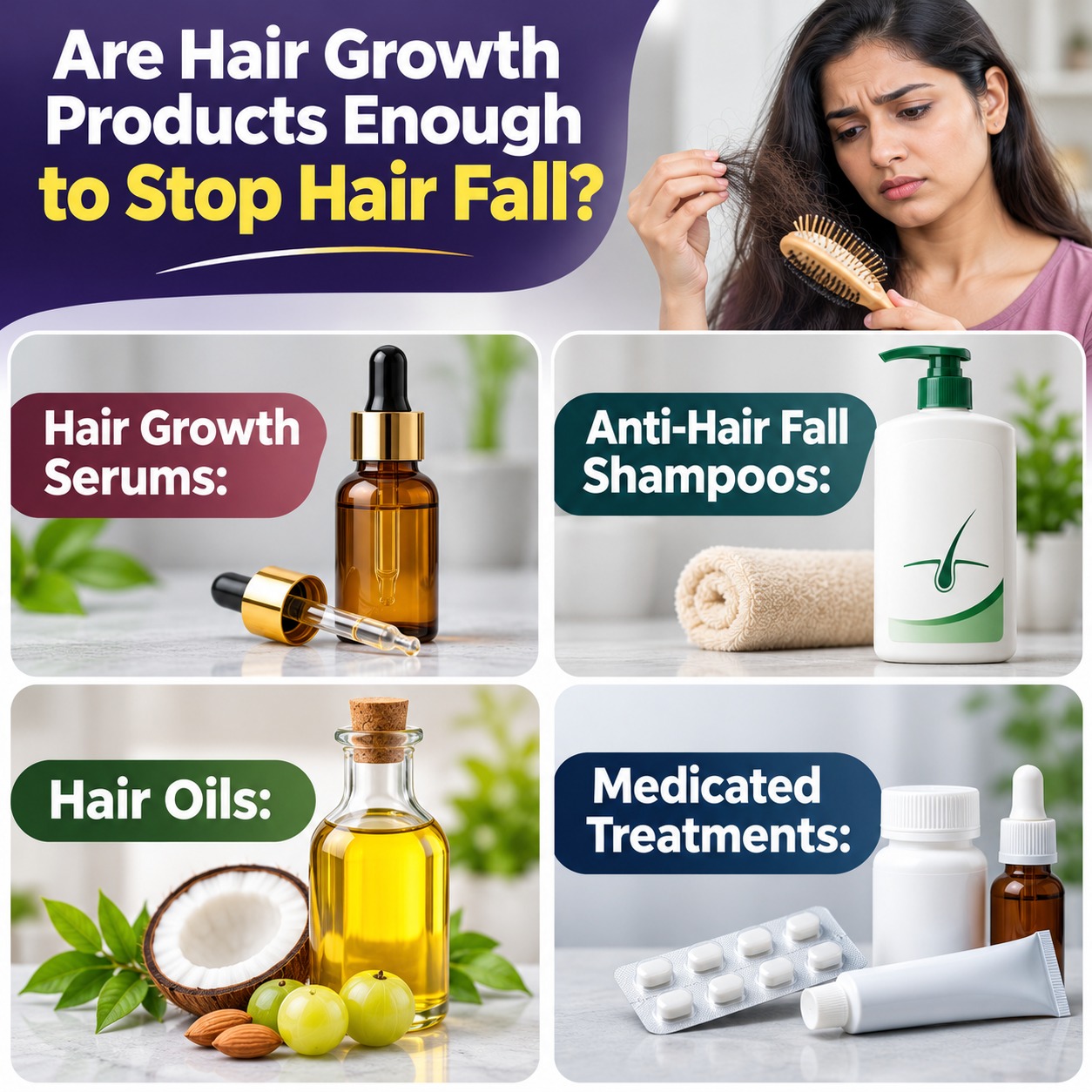
Hair growth products can help in certain situations, but they are not a complete solution for every hair problem.
Different products have different purposes:
Avoid using multiple products without professional guidance. The right treatment depends on your scalp condition, medical history, and the cause of hair loss.
Occasional hair shedding is normal. However, excessive or continuous hair loss should not be ignored.
Consider consulting a dermatologist if you experience:
A qualified dermatologist can examine your scalp, understand your medical history, and recommend suitable investigations if needed.
The first step in managing hair loss is identifying its actual cause. A dermatologist may examine your scalp, hair density, and pattern of shedding.
Depending on your symptoms, the evaluation may include:
Treatment may include prescribed topical medications, oral medicines, nutritional correction, or treatment for specific scalp conditions.
If you are experiencing continuous hair fall despite trying different products, professional evaluation can help you understand the reason behind it.
Consulting a dermatologist at a skin clinic in Thane can help identify whether your hair loss is related to nutritional deficiencies, hormonal changes, genetics, or scalp conditions.
Dr. Nikita Patel provides skin-related consultation and guidance for patients dealing with different skin and hair concerns. If you are looking for a skin specialist clinic in Thane consider choosing a clinic that focuses on proper diagnosis rather than recommending products without evaluating your condition.
You can also explore the services available at best laser hair removal center thane to learn more about skin-related treatments.
For people interested in cosmetic hair removal rather than scalp hair loss treatment, a laser hair removal center in Thane may provide information about available procedures. Laser hair removal is different from treatments used for scalp hair loss.
Hair fall can continue even after using hair growth products because the actual cause may be related to hormones, nutritional deficiencies, genetics, stress, or scalp conditions. Simply changing shampoos or applying different oils may not provide the desired results.
Understanding the reason behind hair loss is important for choosing the right treatment. If you are experiencing continuous hair shedding, consult Dr. Nikita Patel for professional guidance. A proper scalp evaluation can help you take informed steps towards healthier hair.
You don't need to choose a procedure before your appointment.
Start with your concern. Your consultation is designed to understand your skin or hair, establish a diagnosis, and discuss the treatment options appropriate for you.