

What Causes Dark Spots on the Face and How Can You Treat Them?
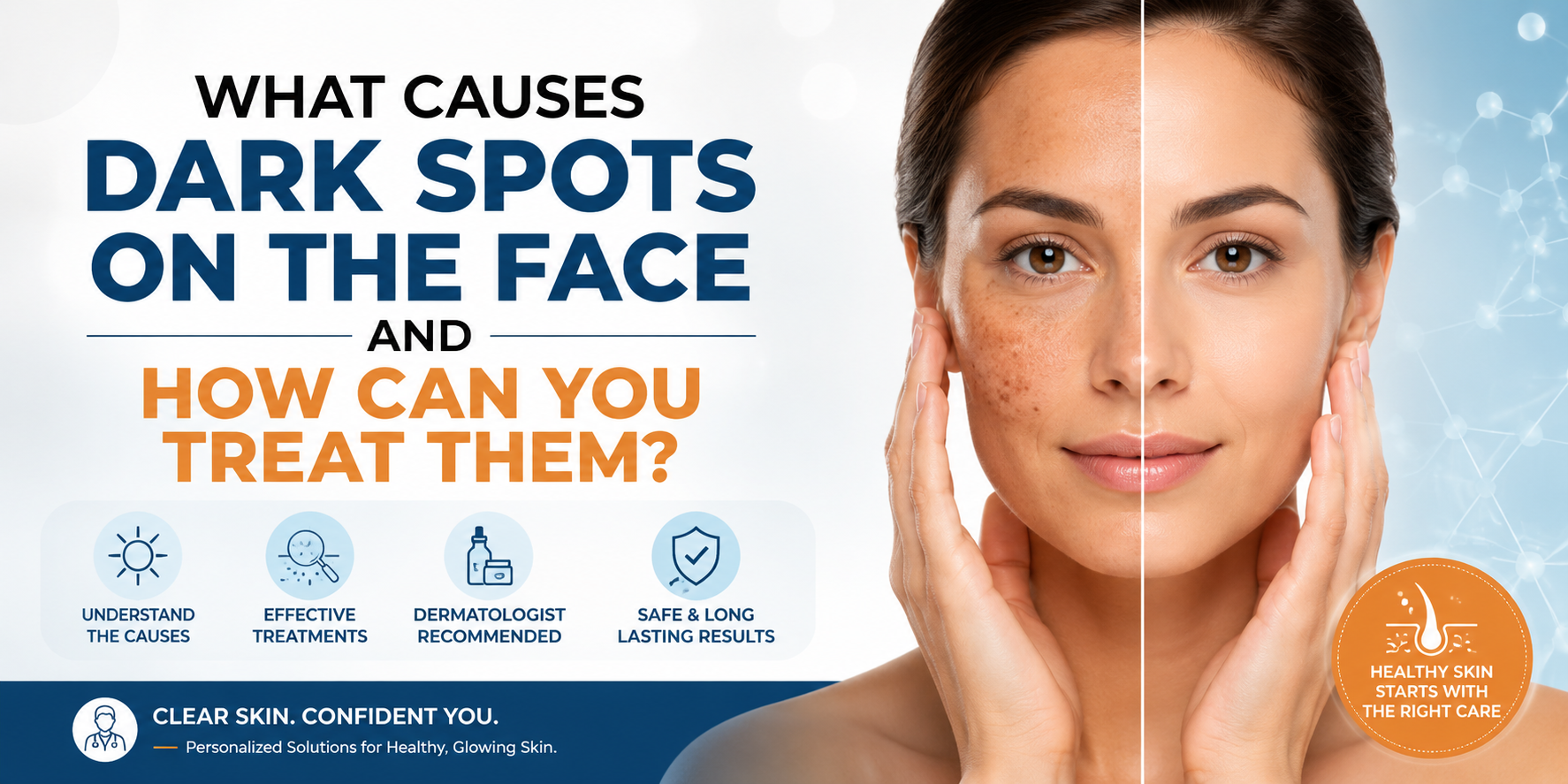
What Causes Dark Spots on the Face and How Can You Treat Them?
Have you ever looked in the mirror and noticed uneven patches or tiny brown spots that weren’t there before? Dark spots on the face, medically known as hyperpigmentation, are incredibly common. While they are usually harmless, they can be frustrating to deal with, leaving many to wonder what causes them and how to achieve a clearer, more radiant complexion.
If you are searching for an effective solution, visiting a professional skin care clinic in Thane can make all the difference. In this comprehensive guide, we will break down the primary triggers behind these stubborn spots and explore the most effective dermatological treatments available today.
Understanding Dark Spots: What is Hyperpigmentation?
Before diving into the causes, it helps to understand what dark spots actually are. Your skin gets its color from a pigment called melanin, produced by specialized cells known as melanocytes. When these cells become damaged or overstimulated, they produce an excess of melanin in certain areas. This clustering of pigment is what creates flat, darker patches on your skin.
To get rid of them permanently, you need to target the root cause. Consulting an expert at a trusted skin clinic in Thane is the best first step toward tailored, safe, and effective treatment.
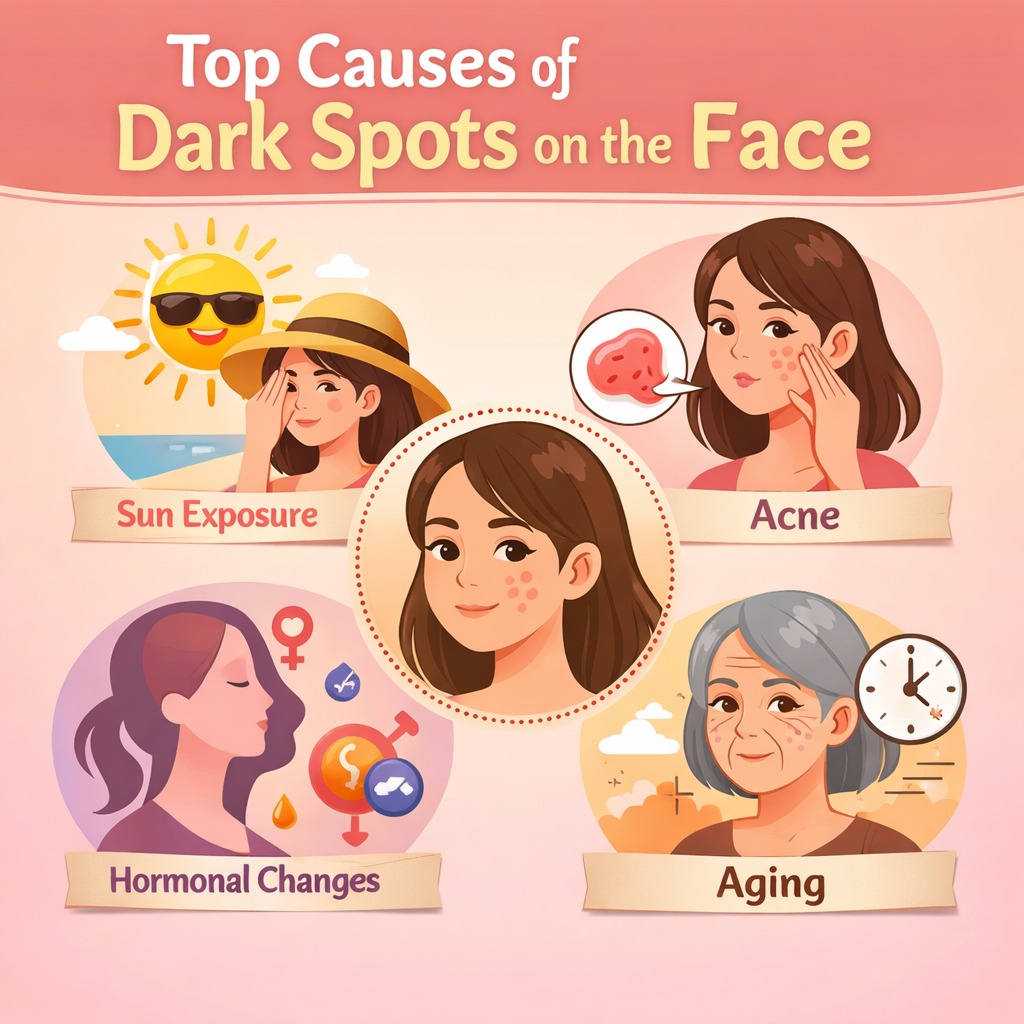
Top Causes of Dark Spots on the Face
Dark spots don’t appear overnight without a reason. Several internal and external factors trigger excess melanin production. Here are the most common culprits:
1. Sun Exposure (Solar Lentigines)
The sun is the number one cause of dark spots, often referred to as sun spots or age spots. When ultraviolet (UV) rays hit your skin, they stimulate melanin production as a natural defense mechanism to protect your skin from burning. Over time, frequent sun exposure leads to permanent dark spots, especially on areas most exposed to the elements, like your face, neck, and hands.
2. Post-Inflammatory Hyperpigmentation (PIH)
If you have ever had a stubborn pimple that left behind a dark mark long after the acne cleared up, you have experienced Post-Inflammatory Hyperpigmentation. Any form of skin inflammation or trauma—such as acne, eczema, bug bites, or aggressive scrubbing—can trigger the skin to produce excess pigment during the healing process.
3. Hormonal Fluctuations (Melasma)
Commonly referred to as the “mask of pregnancy,” melasma causes larger, symmetrical patches of dark skin, usually on the cheeks, forehead, and upper lip. This condition is heavily influenced by hormonal changes, such as those occurring during pregnancy, taking birth control pills, or undergoing hormone replacement therapy.
4. Aging
As we grow older, the number of melanocytes decreases, but the remaining ones increase in size and become more focused in their distribution. This natural aging process, combined with years of accumulated sun exposure, makes mature skin more prone to age spots.
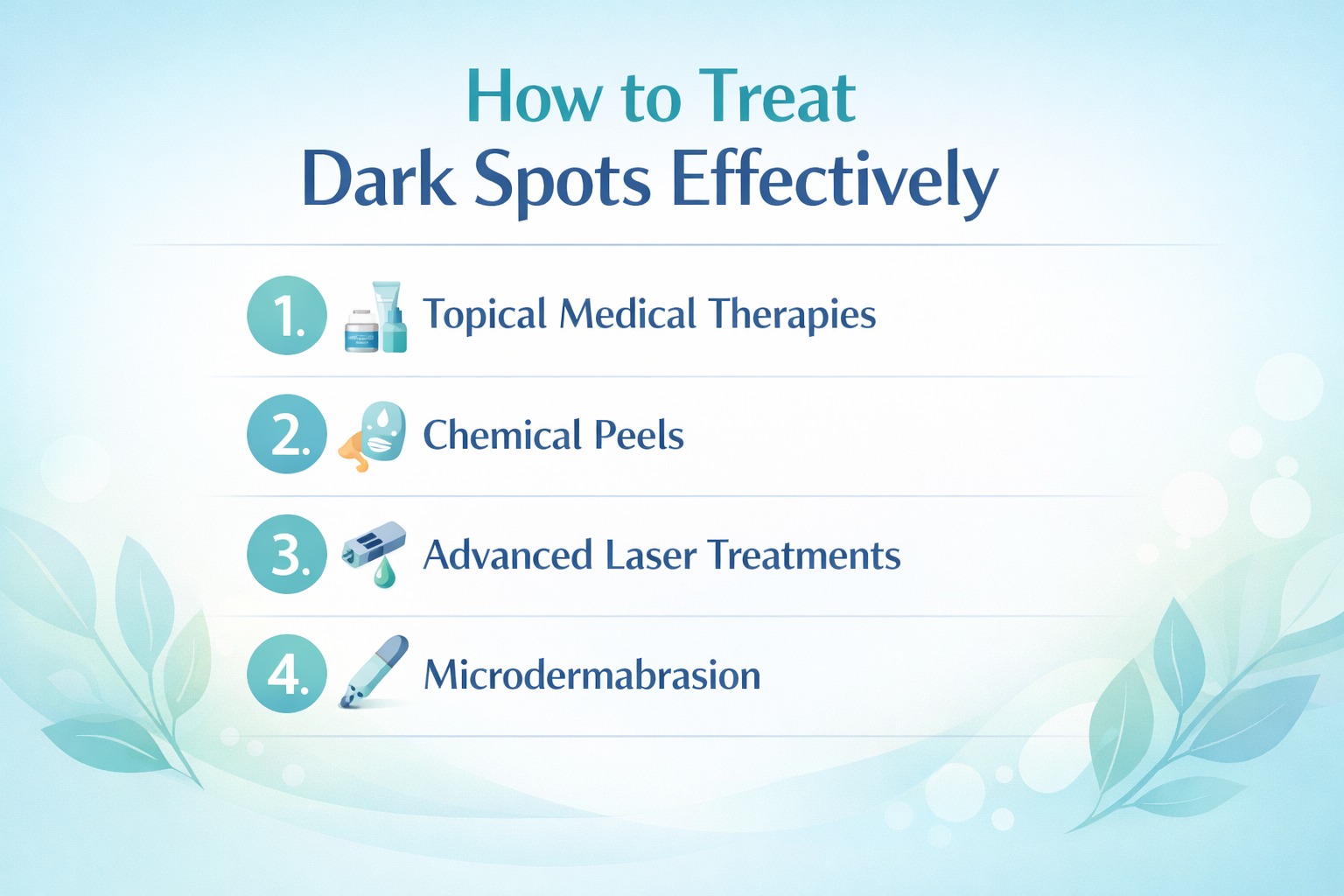
How to Treat Dark Spots Effectively
While over-the-counter creams might offer mild improvement for faint spots, stubborn hyperpigmentation usually requires professional medical intervention. If you are looking for the best skin clinic in Thane advanced dermatological solutions can safely target and erase dark spots.
Here are the top clinical treatments recommended by dermatologists:
1. Topical Medical Therapies
A qualified skin specialist clinic in Thane can prescribe medical-grade topical treatments that are far more potent than drugstore skincare. These may include:
- Hydroquinone: A powerful gold-standard agent that slows down melanin production.
- Retinoids (Tretinoin): Accelerates skin cell turnover, helping dark spots fade faster.
- Vitamin C and Kojic Acid: Powerful antioxidants that brighten the skin and inhibit pigment-producing enzymes.
2. Chemical Peels
Chemical peels involve applying a specialized chemical solution to the face, which gently exfoliates the top layers of dead skin. As the old skin peels away, a new, evenly pigmented layer of skin is revealed underneath. Peels can be customized from mild to deep, depending on the severity of your dark spots.
3. Advanced Laser Treatments
Laser technology has revolutionized how we treat skin pigmentation. Specific laser wavelengths target the melanin clusters inside the skin without damaging the surrounding tissue. The laser breaks down the pigment into tiny particles, which your body’s natural immune system then flushes away.
Looking for more advanced laser solutions? Many premier clinics that specialize in pigment correction also offer state-of-the-art procedures like laser hair removal to help patients achieve overall smooth, radiant, and hair-free skin using medical-grade technology.
4. Microdermabrasion
This non-invasive procedure uses a specialized device to gently exfoliate the outermost layer of the skin. While it is excellent for mild sun damage and superficial post-acne marks, it is often combined with other therapies for deeper pigmentation issues.
Why Choose a Professional Skin Clinic for Your Treatment?
It can be tempting to try DIY home remedies or purchase random skincare products online, but treating dark spots without expert guidance can backfire. Using the wrong products can irritate your skin further, leading to worse post-inflammatory hyperpigmentation.
When you visit the best skin care clinic in Thane your skin condition is evaluated thoroughly. An expert dermatologist will determine whether your spots are caused by sun damage, hormones, or acne scars, and design a customized treatment roadmap that suits your unique skin type.
Daily Prevention Tips: Keep Dark Spots from Returning
Treating dark spots is only half the battle; preventing new ones from forming is equally important. Incorporate these daily habits into your routine to protect your results:
- Wear Sunscreen Every Single Day: Apply a broad-spectrum sunscreen with an SPF of 50 or higher daily, even if it is cloudy or you are staying indoors. UV rays easily penetrate windows and trigger melanin production.
- Don’t Pick at Your Skin: Avoid popping pimples, scratching bug bites, or picking at scabs. This directly causes inflammation that leads to long-lasting dark marks.
- Incorporate Antioxidants: Use a Vitamin C serum in your morning skincare routine to neutralize free radicals and boost your skin’s defense against sun damage.
Schedule Your Consultation Today
You don’t have to let dark spots dull your confidence. With the right guidance and advanced clinical treatments, achieving an even, glowing complexion is entirely possible.
If you are ready to take the first step toward flawless skin, visit the leading skin clinic in Thane Schedule a consultation at the Dr. Nikita Patel skin clinic in Thane today, and let an expert create a customized treatment plan tailored perfectly to your skin’s needs.