- +91 98673 70009
- drnikitappatel@gmail.com
- Mon–Sat, 10:00 AM – 7:30 PM

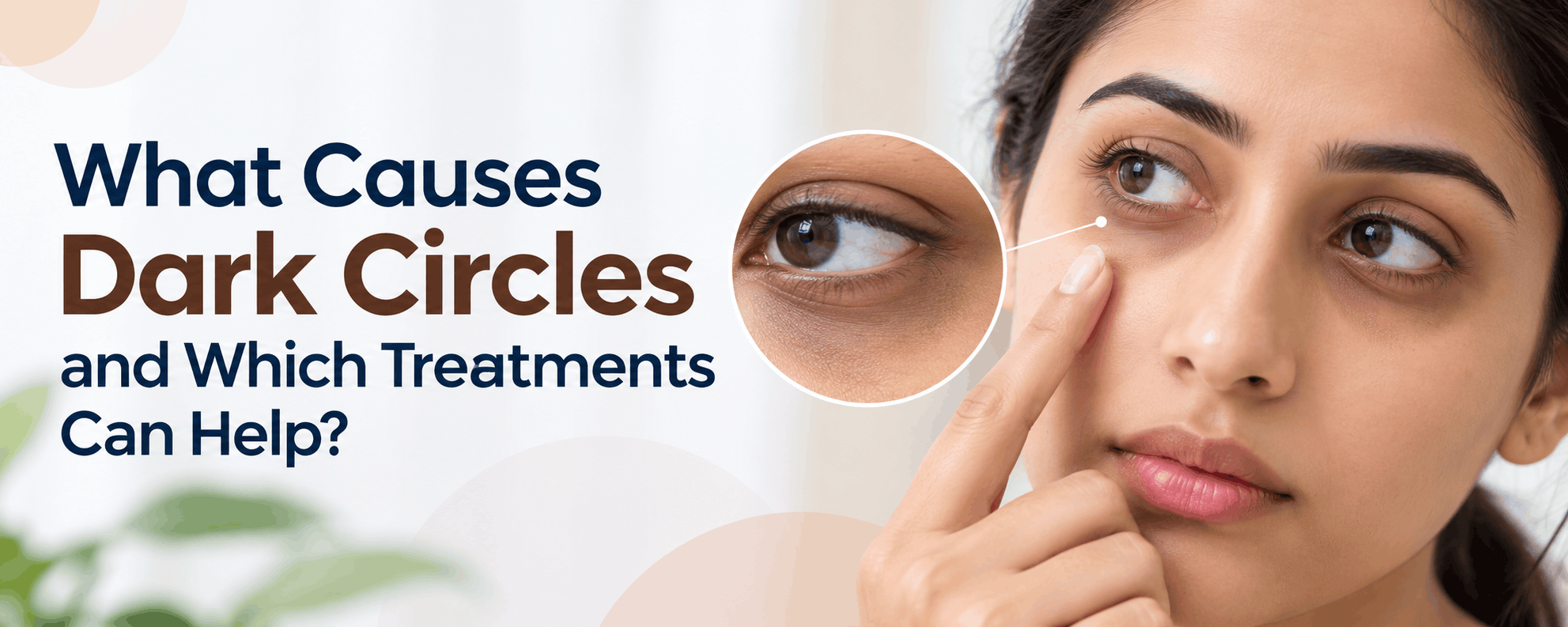
Dark circles under the eyes can make your face look tired, even when you get enough sleep. They may develop due to genetics, ageing, lack of sleep, allergies, dehydration, or excess pigmentation. While dark circles are usually harmless, they can affect your confidence and make your skin appear dull.
Understanding what causes dark circles and which treatments can help is the first step towards healthier-looking skin. The right treatment depends on the underlying cause, skin type, and severity of the concern. Consulting an experienced dermatologist can help you choose a suitable treatment rather than relying only on home remedies.
If you are looking for the best dermatologist in Thane a professional skin consultation can help identify the reasons behind your dark circles and determine the most appropriate care.
Dark circles are areas of darker-looking skin beneath the eyes. They may appear brown, grey, blue, or purple, depending on your skin tone and the underlying cause. Some people also notice puffiness or hollows that create shadows under the eyes.
The skin around the eyes is naturally thin, which makes blood vessels and changes in the underlying tissues more visible. Dark circles can occur at any age, although they often become more noticeable with ageing.
A qualified skin specialist in Thane can examine the affected area and determine whether pigmentation, thinning skin, allergies, or volume loss is contributing to the problem.
Insufficient sleep can make your skin appear pale and tired, making the blood vessels beneath your eyes more noticeable. Poor sleep may also cause puffiness, which creates shadows that resemble dark circles.
Maintaining a regular sleep schedule and getting around seven to nine hours of sleep each night as an adult may help improve the appearance of tired-looking eyes.
Genetics is another common reason for dark circles. If your parents or close family members have darker skin beneath their eyes, you may be more likely to experience the same concern.
Genetic pigmentation can be difficult to manage with creams alone. A skin specialist doctor in Thane can assess your skin and recommend treatments based on the cause and your individual needs.
As you age, your skin gradually loses collagen and elasticity. The skin beneath your eyes becomes thinner, while changes in facial fat can create hollows. These hollows may cast shadows that make the area appear darker.
In such cases, moisturisers and brightening creams may offer limited improvement because the concern is related to facial structure rather than pigmentation alone.
Excessive sun exposure can increase melanin production and make the skin around your eyes darker. Frequent rubbing and irritation may also contribute to pigmentation.
Using suitable sunscreen, wearing sunglasses, and avoiding unnecessary rubbing can help protect the delicate skin around your eyes.
Allergies can cause itching, redness, watering, and inflammation around the eyes. Rubbing the affected area repeatedly may worsen irritation and contribute to darker-looking skin.
Managing the underlying allergy can help reduce the problem. If symptoms persist, consult a healthcare professional for an appropriate assessment.
Dehydration, smoking, stress, and an inconsistent skincare routine may contribute to a tired-looking appearance. Although these factors do not explain every case of dark circles, improving daily habits can support overall skin health.
Drinking enough water, eating a balanced diet, getting adequate sleep, and using gentle skincare products are useful steps towards maintaining healthier-looking skin.
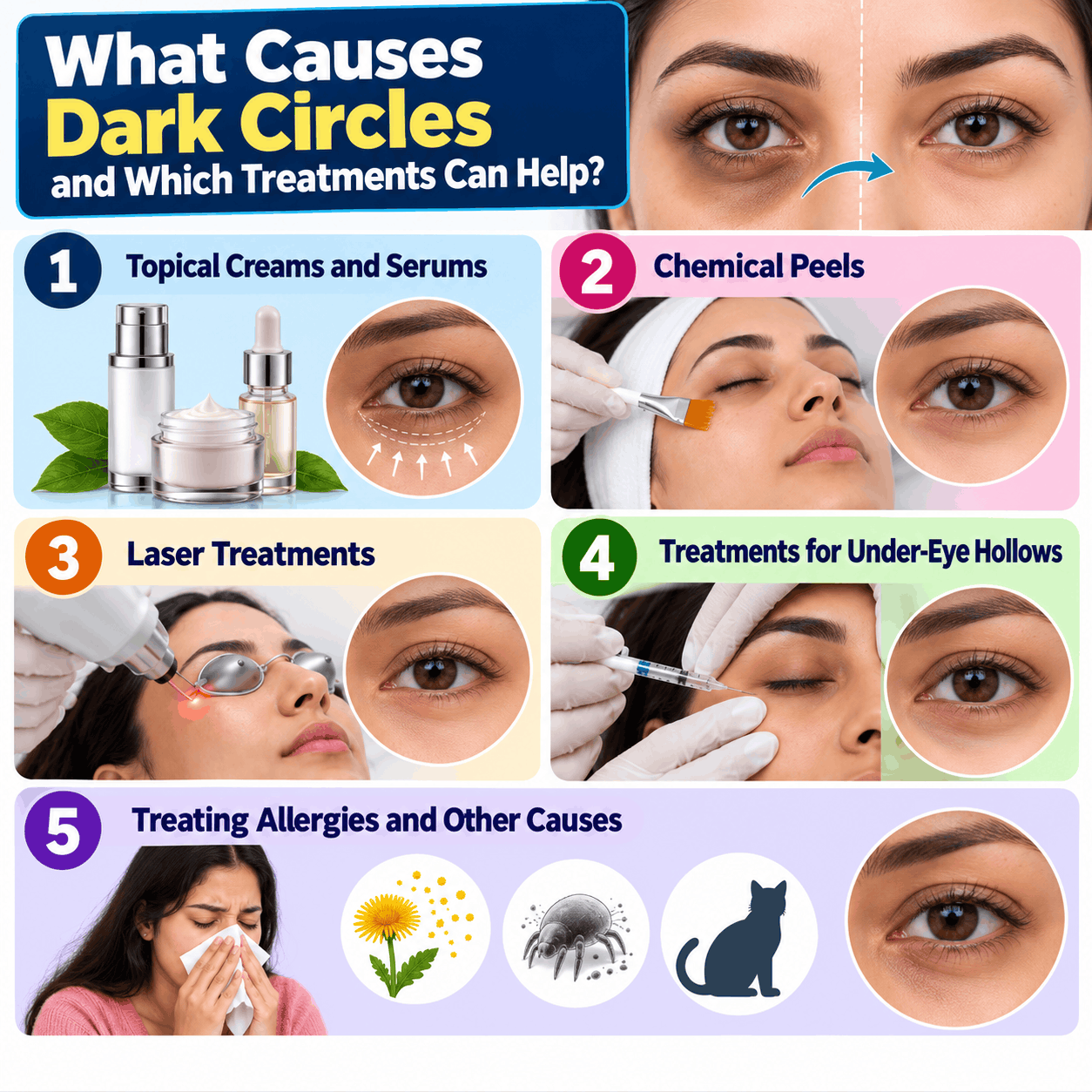
There is no single treatment that works for everyone. A dermatologist will consider whether your dark circles are caused by pigmentation, visible blood vessels, allergies, or under-eye hollows before recommending a treatment.
Skincare products containing ingredients such as vitamin C or niacinamide may help improve the appearance of pigmentation in some people. Other ingredients may be recommended depending on your skin’s needs.
Retinoids may help support collagen production in selected cases, but the skin around the eyes is sensitive. Use active ingredients only as directed by a qualified professional to reduce the risk of irritation.
If you are searching for a skin specialist near me choose a qualified dermatologist who can recommend products suitable for your skin type.
Superficial chemical peels may help improve certain types of pigmentation by encouraging skin renewal. However, the under-eye area requires special care because the skin is delicate.
A dermatologist should determine whether a peel is appropriate for you. Incorrect treatment may cause irritation or worsen pigmentation, particularly in skin that is prone to dark marks.
Selected laser treatments may help reduce pigmentation or improve skin texture in suitable patients. The choice of laser depends on the skin tone, the type of pigmentation, and the underlying cause of the dark circles.
Before starting treatment, discuss the expected results, possible side effects, and number of sessions with your dermatologist. Laser procedures may not be effective when dark circles are mainly caused by deep hollows.
When shadows caused by volume loss are responsible for dark circles, an experienced medical professional may consider under-eye filler treatment for selected patients.
Fillers can help restore volume and soften shadows, but the procedure carries risks because the area contains important blood vessels. It should only be performed by a suitably qualified and experienced medical practitioner after careful assessment.
If allergies or skin irritation are contributing to dark circles, treating the underlying problem may be more effective than cosmetic procedures. Your doctor can recommend suitable allergy management or further evaluation when needed.
Sudden darkening around one eye, especially when accompanied by pain or swelling, should be assessed promptly.
Platelet-rich plasma (PRP) treatment uses a concentrated preparation of platelets obtained from your own blood. It is used in some aesthetic treatments and may be considered for selected skin-quality concerns.
However, evidence supporting PRP specifically for dark circles remains limited. Results can vary, and PRP may not correct deep under-eye hollows or significant pigmentation.
If you are exploring the best PRP treatment in Thane, consult a qualified dermatologist to understand whether this procedure suits your needs. You can also view information about a platelet-rich plasma injection before discussing the procedure, its benefits, risks, and alternatives with a medical professional.
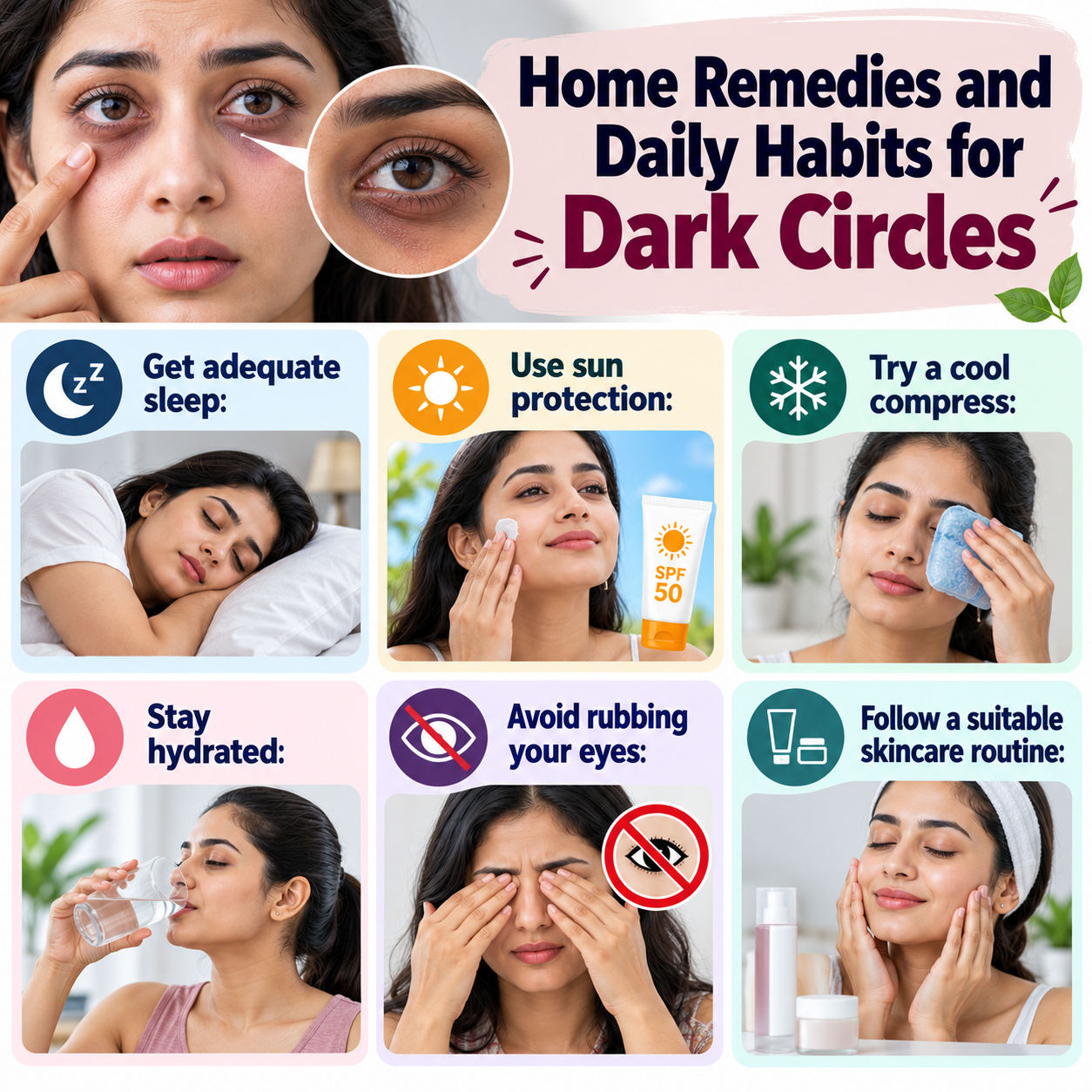
Simple lifestyle changes may help improve mild dark circles, especially when tiredness or puffiness contributes to their appearance.
Home remedies may provide temporary improvement, but they cannot reliably remove genetic pigmentation or correct structural hollows.
Consider a professional consultation if your dark circles persist despite lifestyle changes, become more noticeable, or affect your confidence. A dermatologist can help distinguish between pigmentation, visible blood vessels, and shadows caused by under-eye hollows.
If you are searching for the best skin specialist in Thane check the doctor’s qualifications, experience, and approach to treating under-eye concerns. Choosing a qualified professional is more important than selecting a treatment based only on advertisements or online reviews.
Dr. Nikita Patel can be contacted for enquiries about dermatology consultations and suitable treatment options. During your appointment, explain how long you have had dark circles, any associated symptoms, and the skincare products you currently use.
If you need a nearby skin specialist doctor check the clinic’s location and appointment availability before visiting. People searching for the best skin specialist near me or a skin specialist near me open now should confirm current consultation hours directly with the clinic.
Dark circles may develop due to genetics, lack of sleep, ageing, sun exposure, allergies, pigmentation, or under-eye hollows. While lifestyle changes and suitable skincare can help some people, others may benefit from professional treatments such as chemical peels, selected laser procedures, or other dermatologist-recommended options.
The key is to identify the underlying cause before choosing a treatment. Consulting a qualified dermatologist can help you understand your options and set realistic expectations for improvement.
If you are looking for a skin specialist in Thane professional guidance can help you develop a personalised skincare plan for a brighter, healthier-looking under-eye area.
You don't need to choose a procedure before your appointment.
Start with your concern. Your consultation is designed to understand your skin or hair, establish a diagnosis, and discuss the treatment options appropriate for you.