Hair Restoration
360°
Diagnose. Preserve. Stimulate. Restore. Maintain.
Hair loss can have many causes — and no single treatment is right for everyone. Our dermatologist-led Hair Restoration 360° approach identifies the cause and stage of your hair loss before creating a personalised treatment strategy.
- ✓ Dermatologist-led
- ✓ Diagnosis before treatment
- ✓ Medical + regenerative + surgical options
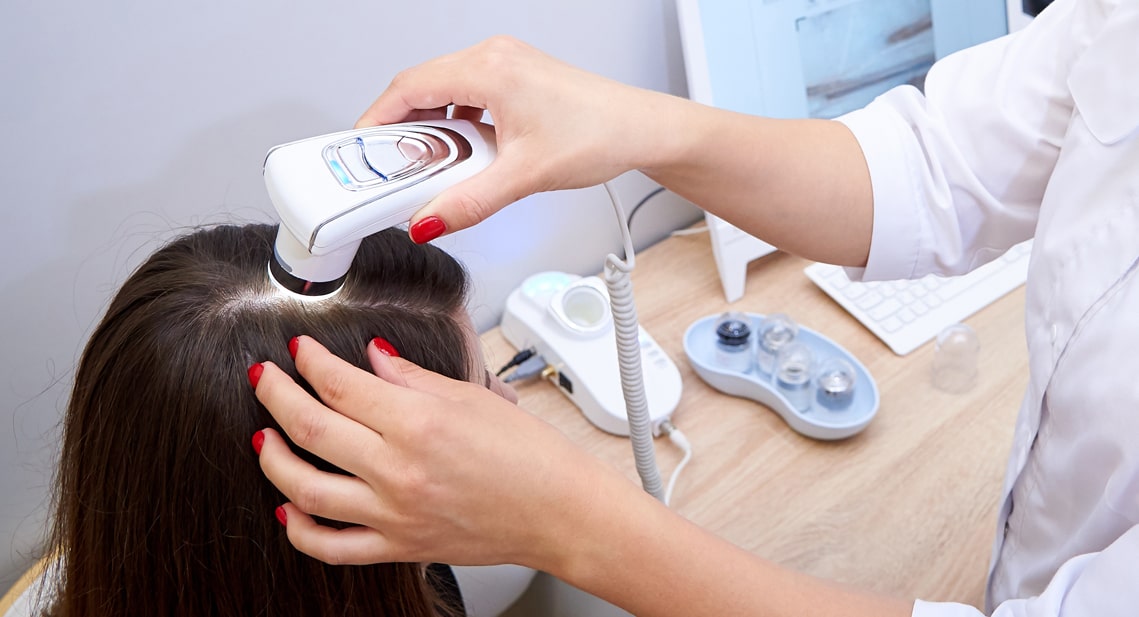
Hair loss happens gradually
Hair follicles affected by pattern hair loss progressively miniaturise rather than suddenly disappearing.
Norwood–Hamilton & Sinclair Classifications
These are the recognised classification systems dermatologists use to describe pattern hair loss. They help understand how pattern hair loss is commonly staged — your exact stage is confirmed through clinical examination, not through comparison with an image.
Hair Restoration 360° Pathway
Five phases, shaped by diagnosis and stage — not a fixed package, but a method applied to every patient.
Diagnose
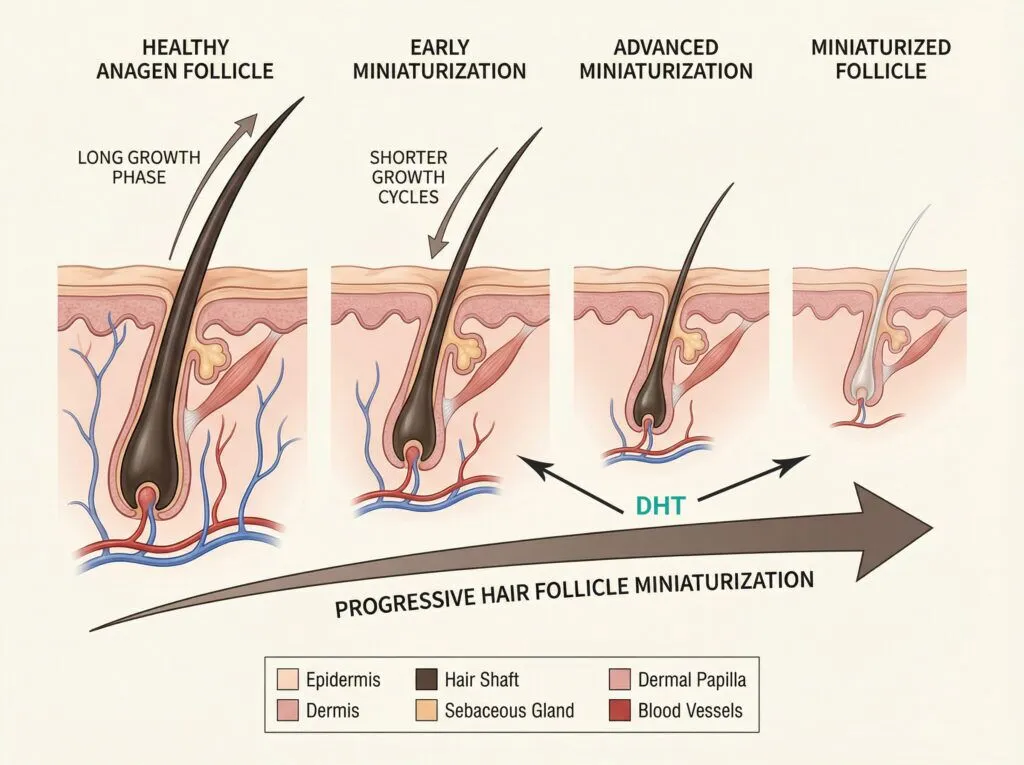
Identify the cause using history, scalp examination, trichoscopy and investigations where indicated.
Control
Stabilise active hair loss and treat underlying factors.
Stimulate
Improve the performance of existing follicles using appropriate medical and procedural treatments.
Restore
Address established density loss, including hair transplantation where appropriate.
Maintain
Protect existing and restored hair through personalised long-term maintenance.
Diagnosis comes first.
Not one treatment. The right combination.
Modern hair restoration is rarely about choosing one procedure. Different treatments may address different aspects of hair loss — from controlling the underlying condition and preserving miniaturising follicles to providing regenerative support or restoring areas of established follicular loss.
Not every patient needs every treatment.The foundation of hair-loss management
Evidence-based topical and/or oral medications may be prescribed depending on the diagnosis, sex, age, medical history and severity of hair loss.
- Reduce progression of pattern hair loss
- Stabilise excessive shedding
- Preserve miniaturising follicles
- Improve hair growth
- Treat associated scalp conditions
Different causes and stages of hair loss require different treatment strategies.
Platelet-Rich Plasma
Autologous Regenerative Therapy
Prepared from the patient's own blood by concentrating platelets, delivered into selected areas of the scalp as an adjunctive treatment in appropriately selected patients.
- Supporting existing follicles
- Improving hair calibre
- Complementing medical treatment
Growth Factor Concentrate
Concentrated Autologous Growth-Factor Therapy
Prepared from the patient's own blood using a processing system to obtain a concentrated preparation of platelet-derived growth factors, for selected patients with hair thinning.
Controlled Scalp Stimulation
Activates wound-healing pathways in the scalp
Controlled micro-injuries activate wound-healing pathways, and may be combined with topical or regenerative therapies.
Targeted Intradermal Delivery
Selected agents delivered via superficial scalp injections
Small quantities of selected therapeutic agents delivered through multiple superficial scalp injections; formulation depends on diagnosis and protocol.
Low-Level Laser Therapy — Light-Based Hair Support
Adjunct light therapy, not a replacement for medical treatment
Low-level red-light therapy may be incorporated into selected hair-restoration programs as an adjunct, not a replacement for diagnosis and appropriate medical treatment.
Advanced Regenerative Therapies
Selected treatments for selected patients — not routine procedures for everyone
Exosome Therapy — Cell-Signaling Based Regenerative Approach
Exosomes are microscopic extracellular vesicles involved in cell-to-cell signalling. Exosome-based products are being explored in regenerative and aesthetic medicine, including hair restoration. In selected clinical settings, exosome-based scalp treatments may be considered as a regenerative adjunct.
- Supporting the follicular microenvironment
- Supporting cellular signalling around existing follicles
- Complementing other hair-restoration treatments
Nanofat — Autologous Regenerative Scalp Therapy
Produced by harvesting a small amount of the patient's own fat, mechanically processed into a fine injectable preparation containing stromal and regenerative cellular components.
- Supporting scalp tissue quality
- Supporting the follicular microenvironment
- Complementing existing treatment
Small-volume fat harvest
Processing / emulsification
Nanofat preparation
Targeted scalp delivery
When stimulation isn't enough
When significant follicular loss has occurred, medical and regenerative treatments may not provide adequate cosmetic density. Hair transplantation may then be considered.
Suitable donor follicles are redistributed from the donor area to areas of established hair loss.
A good transplant plan considers:
+ future progression + realistic coverage
Not simply graft numbers.
A hair transplant restores hair.It doesn't stop future hair loss.
Existing non-transplanted hair may continue to thin. Successful restoration may require:
How do we choose your treatment?
Control the Condition
Treat the underlying hair-loss process and preserve susceptible follicles.
Stimulate & Support Existing Follicles
Used individually or in carefully chosen combinations.
Advanced Regenerative Adjuncts
Considered in selected patients, not routinely used first-line.
Restore Established Loss
Redistribute suitable donor follicles to areas of reduced cosmetic density.
Diagnosis → Stage → Treatment Selection
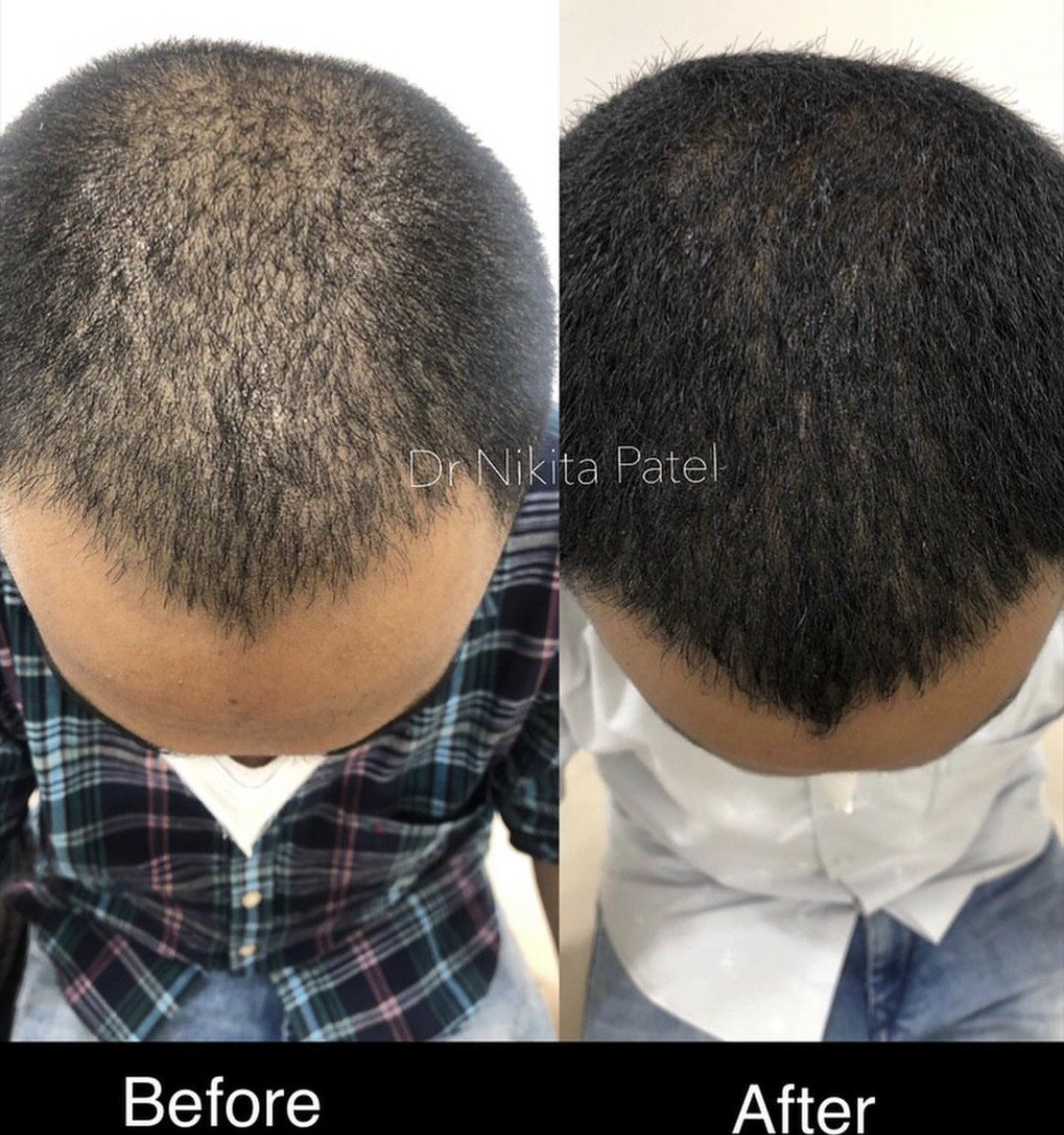
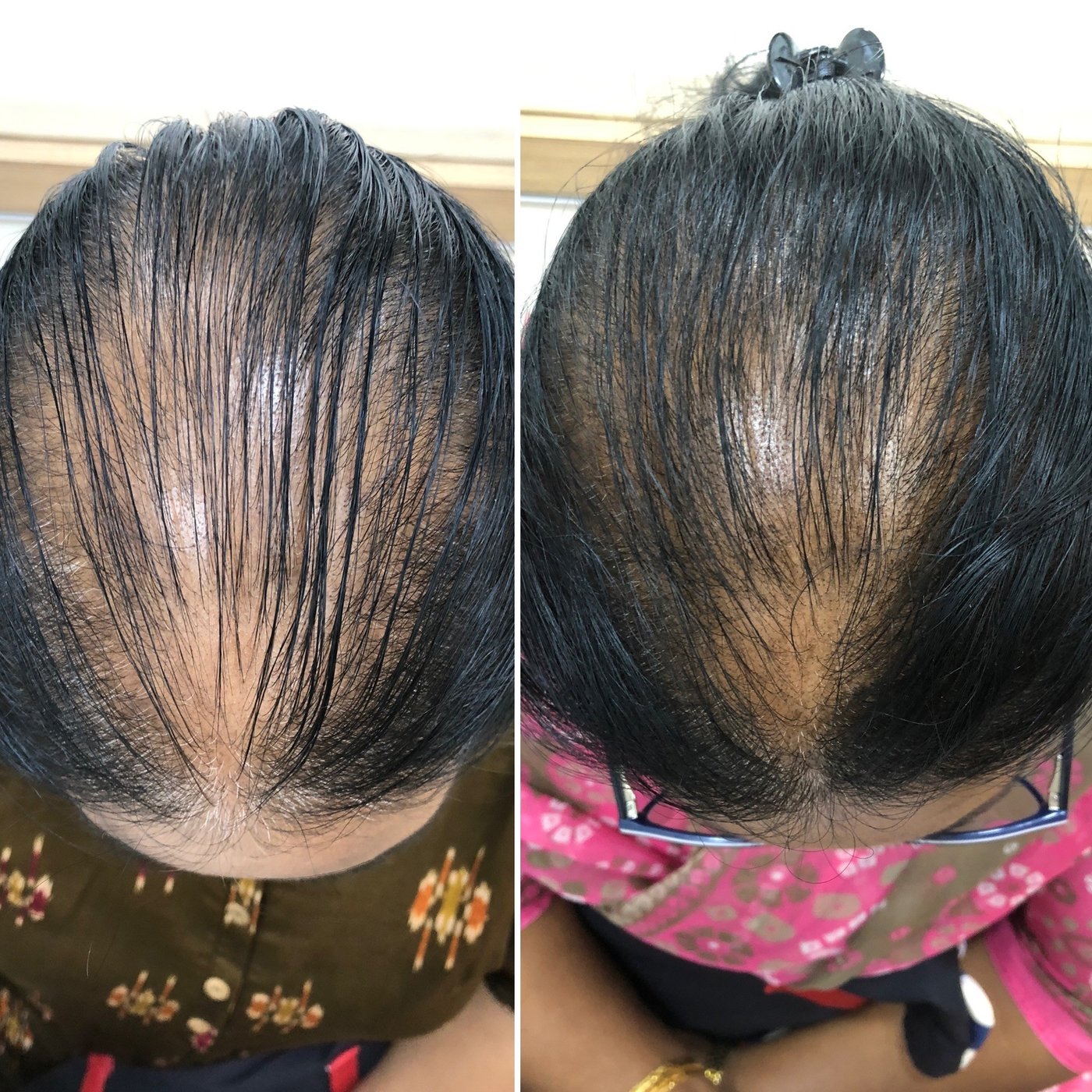
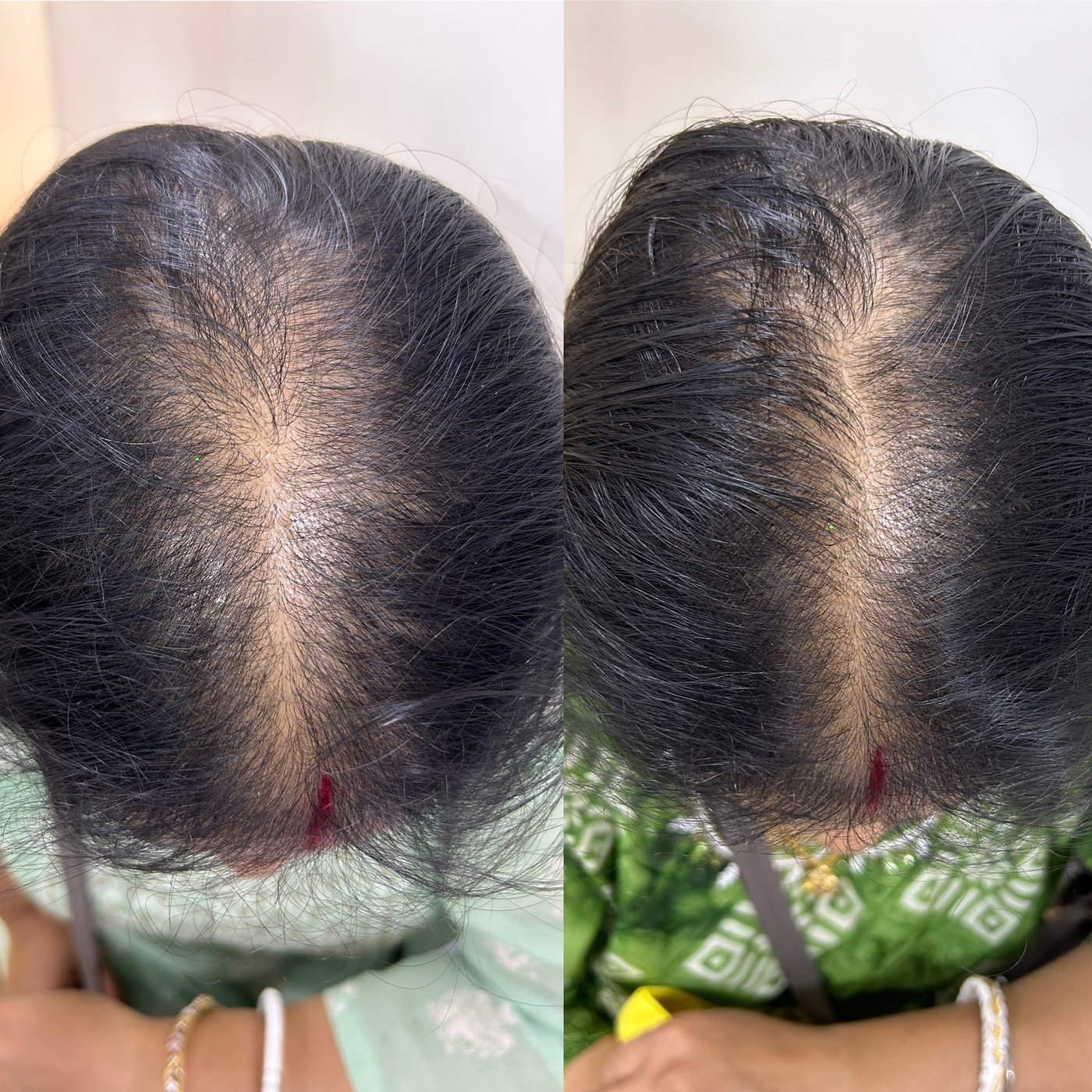
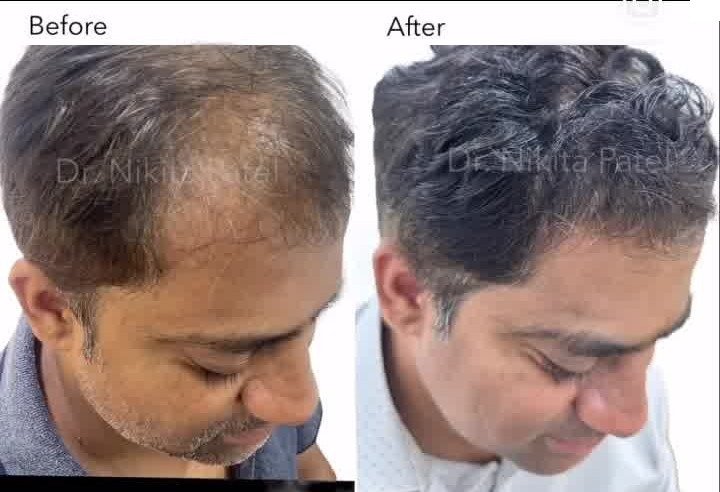
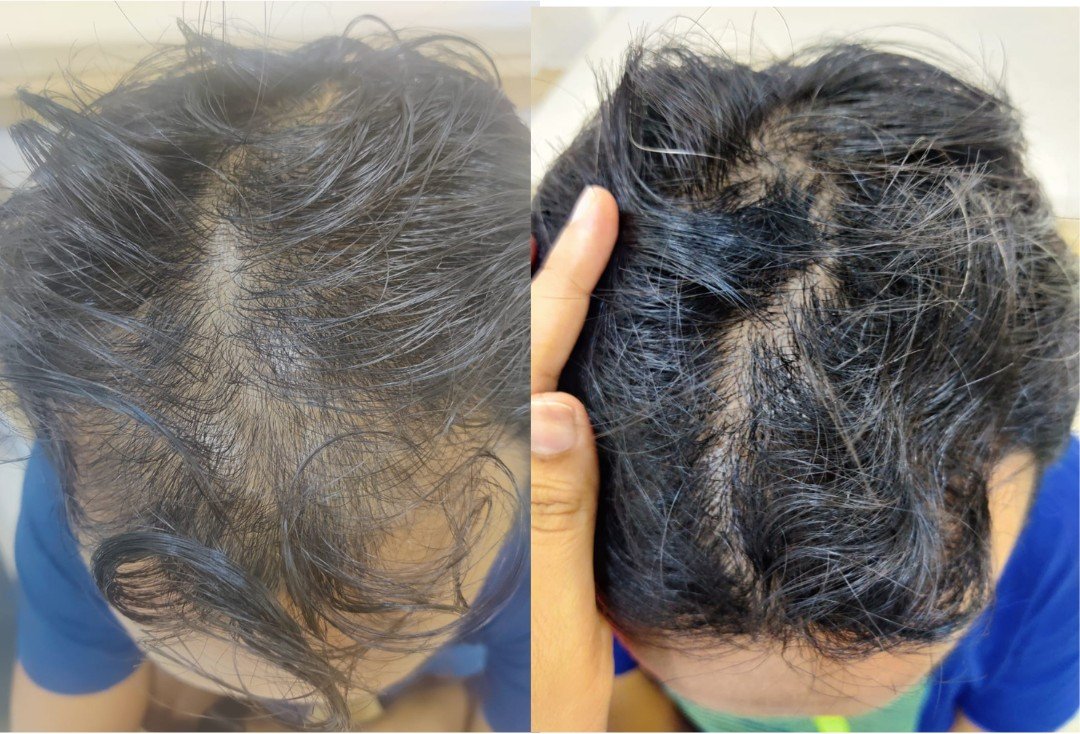
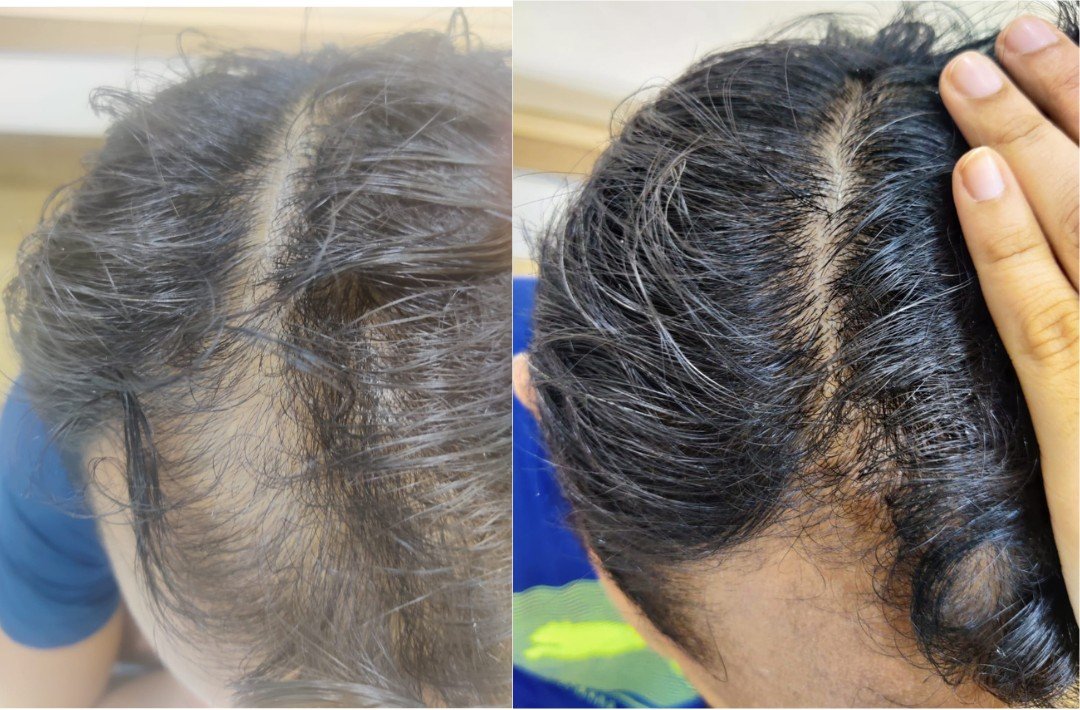
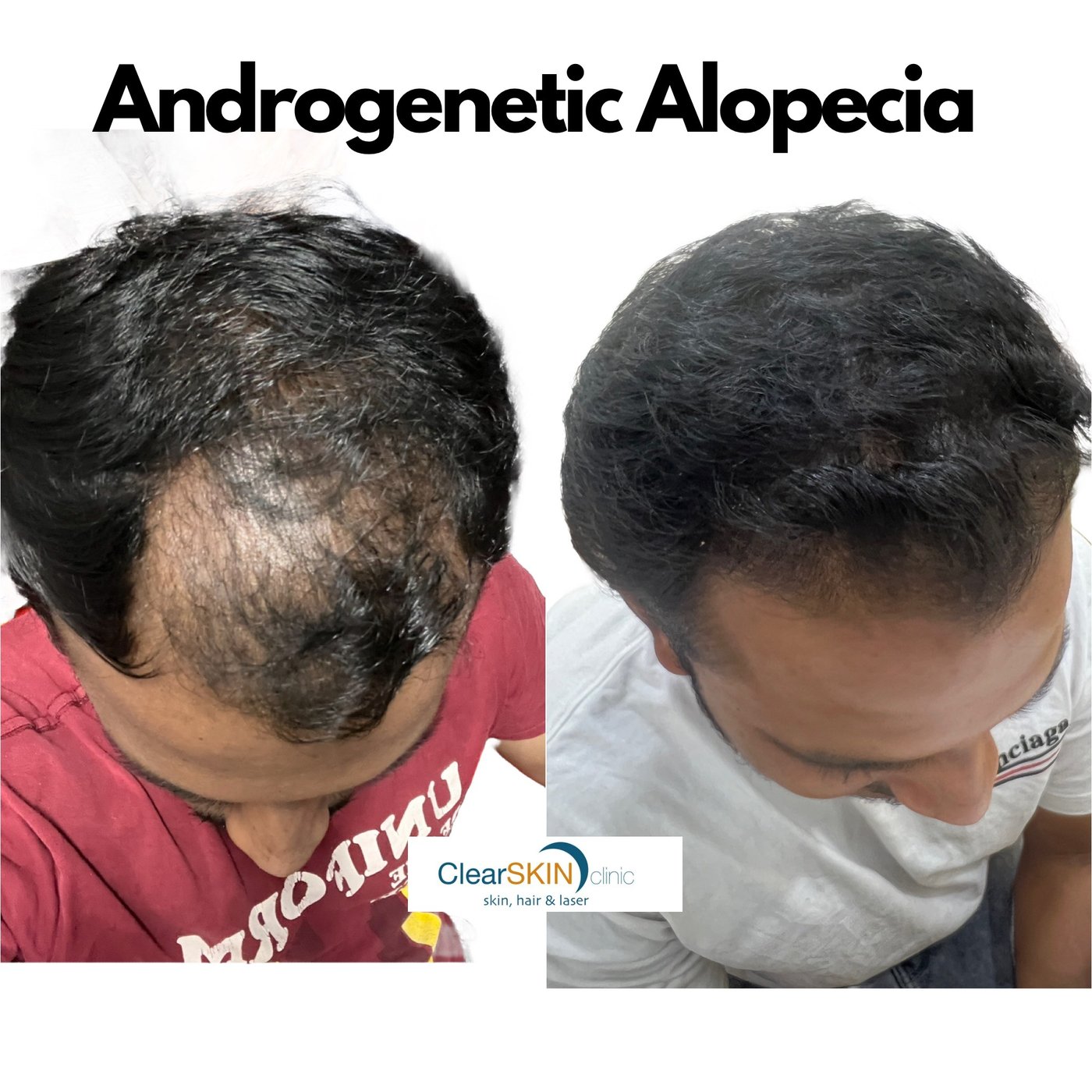
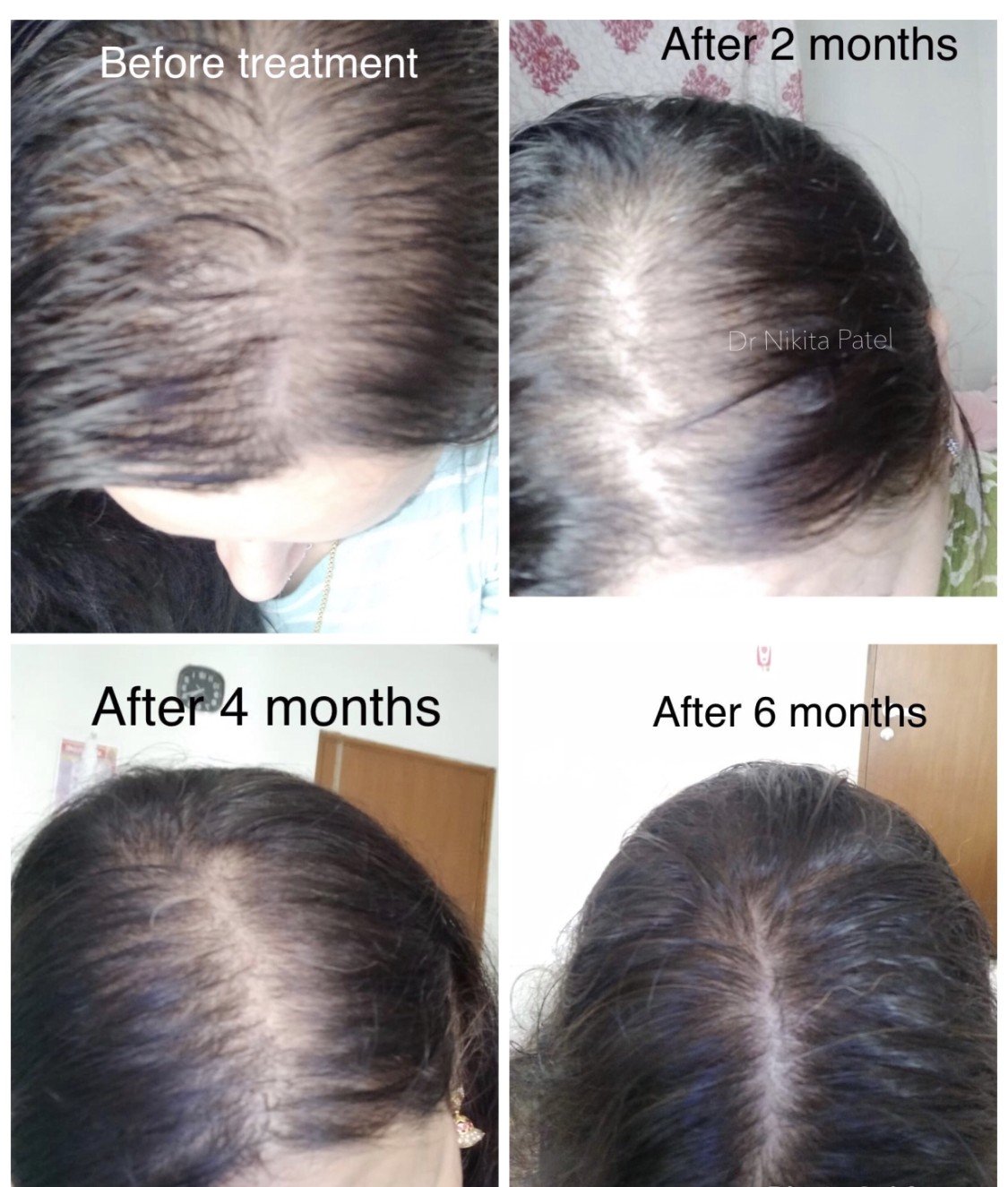
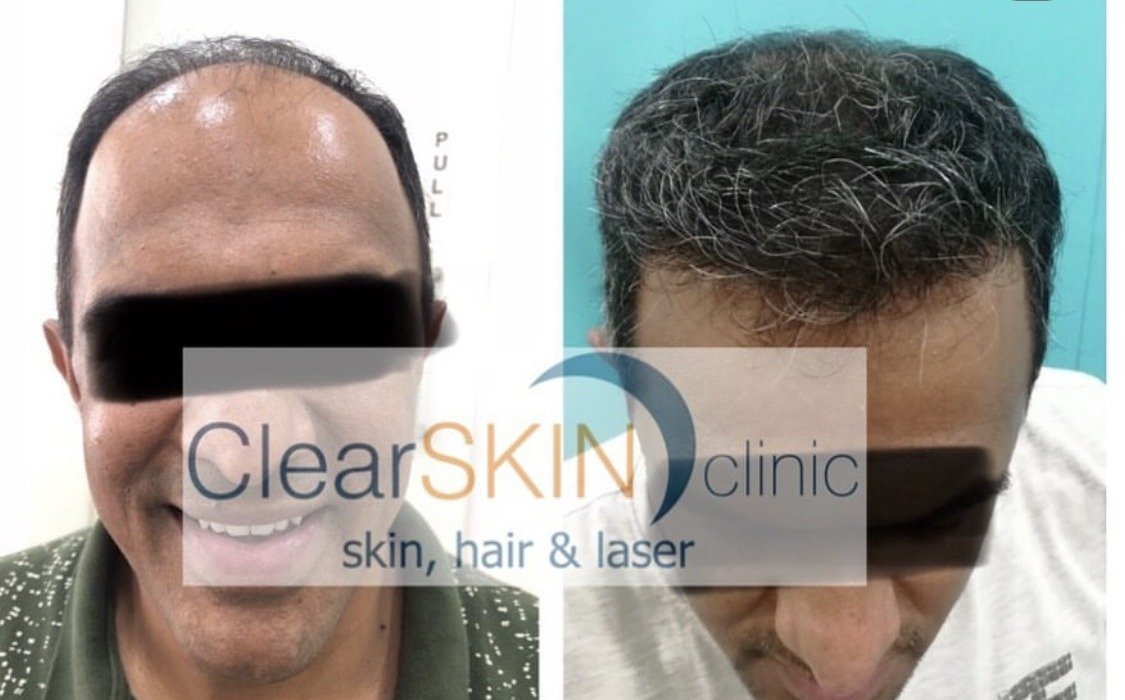
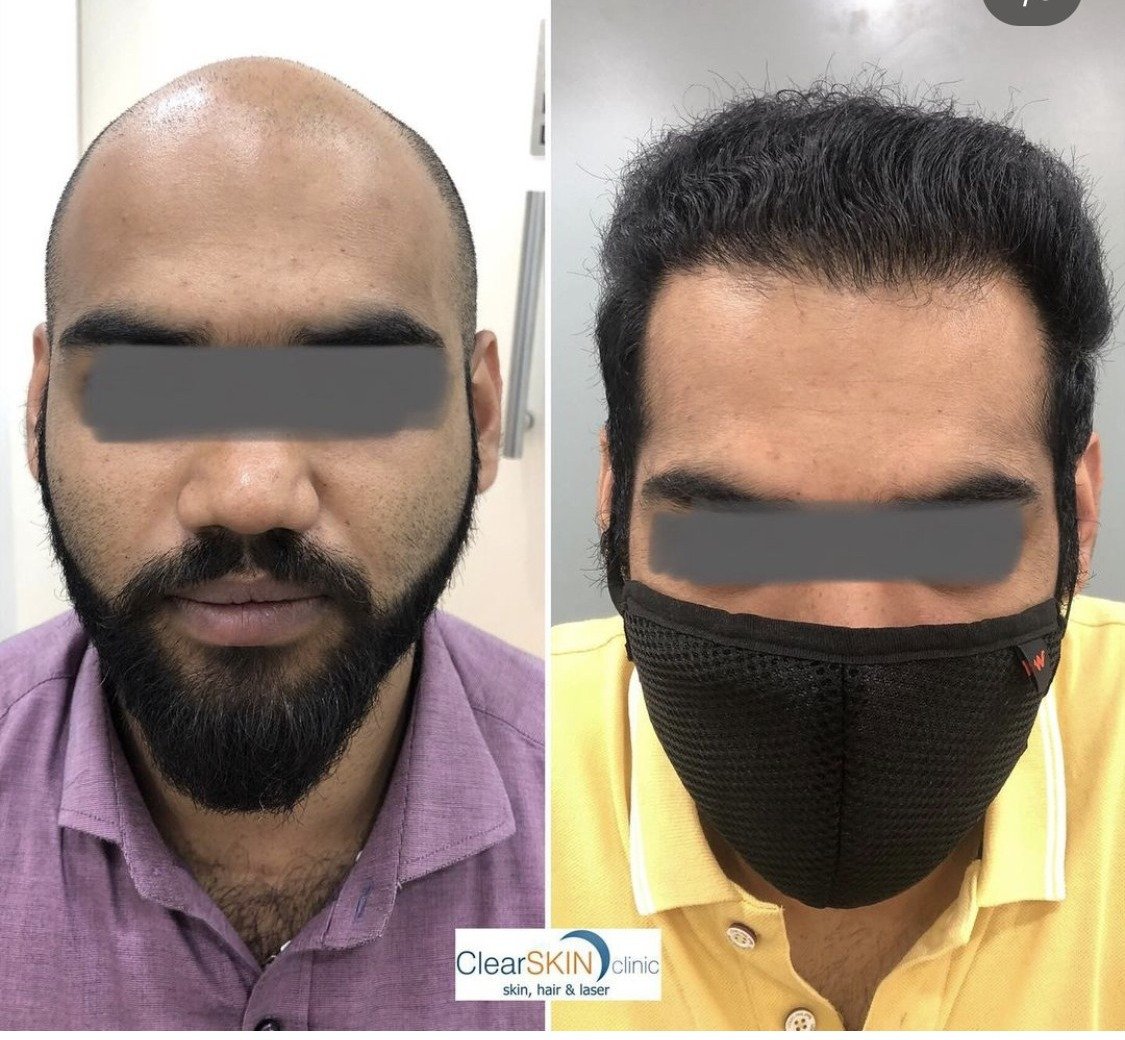
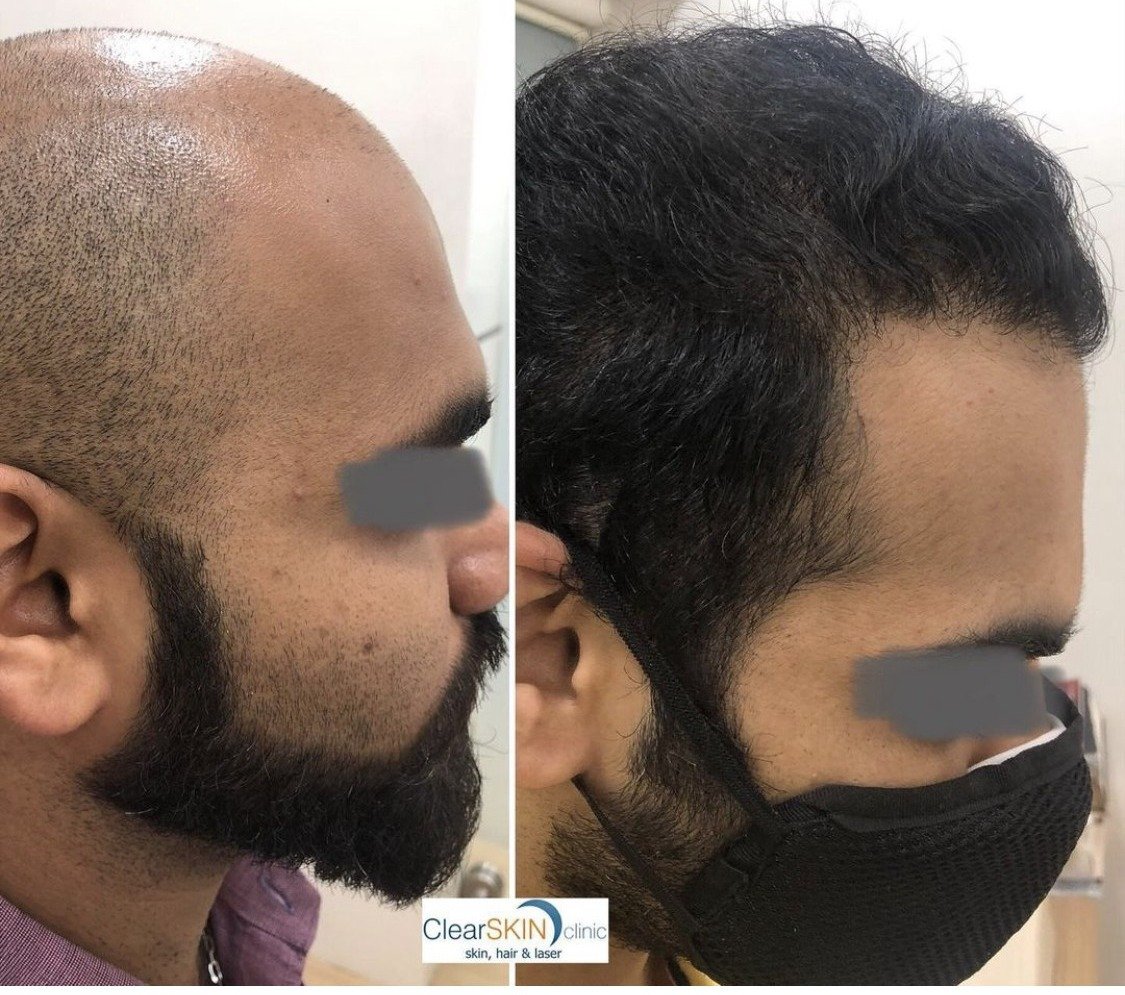
Results From Our Own Patients
Real photographs from patients treated at Clear Skin Clinic. Shared with patient consent. Individual results vary depending on diagnosis, stage, adherence and treatment response — these are not a promise of similar outcomes for every patient.
Results take time
Hair grows in cyclesControl
Reduce active shedding and establish consistent treatment.
Early Response
Changes in shedding and hair quality may begin becoming noticeable.
Build
Improvement in responsive follicles becomes easier to assess.
Maintain
Protect improvement and modify treatment according to progression.
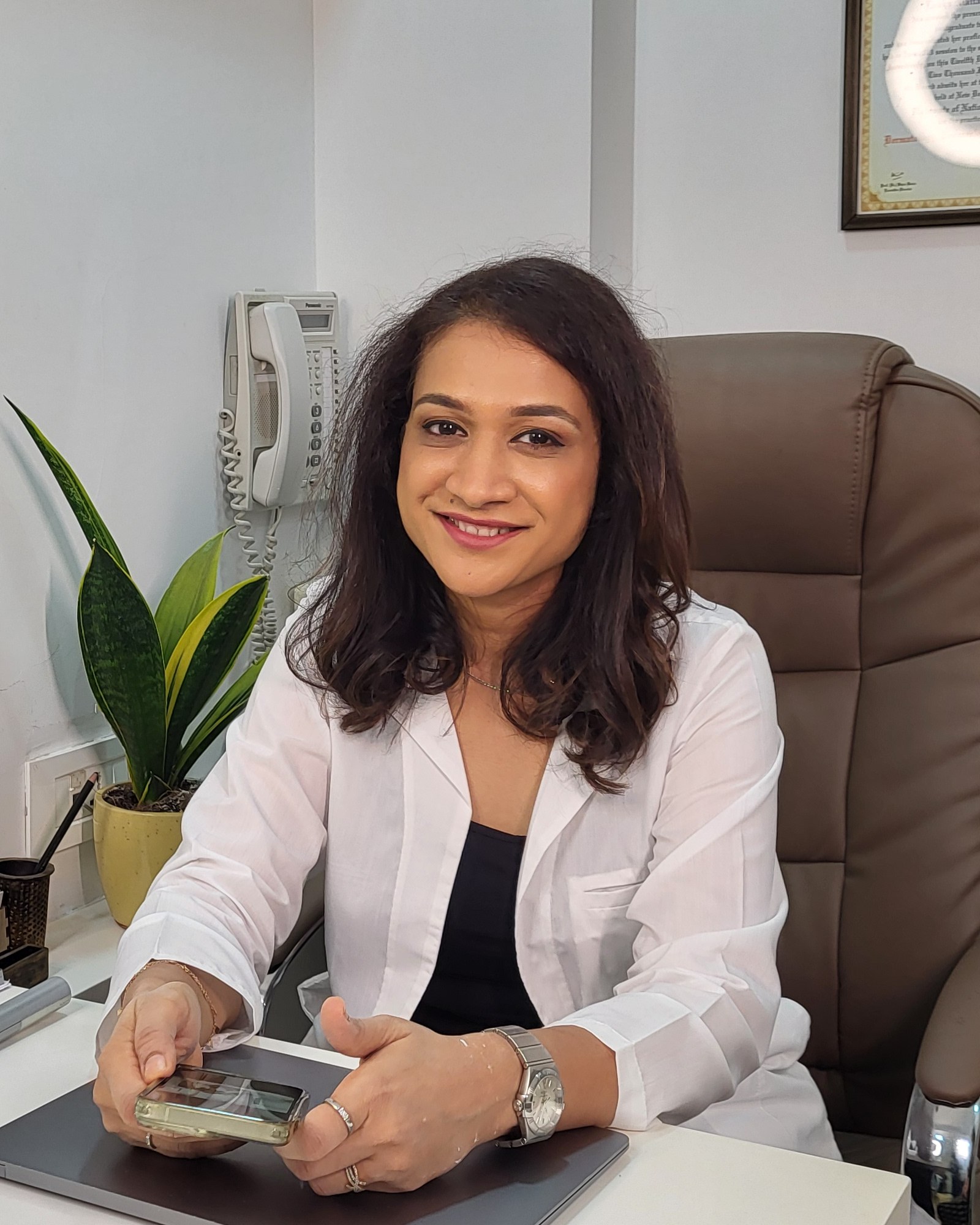
Dr. Nikita Patel
At Clear Skin Clinic, hair restoration is approached as a medical diagnosis first and an aesthetic concern second. The aim is not to put every patient on the same procedure.
Frequently asked questions
Book a Hair & Scalp Assessment in Thane
Share a few details and we'll get in touch to schedule your assessment with Dr. Nikita Patel.
Don't wait for thinning to become obvious.
Whether you've recently noticed increased shedding or have been dealing with progressive thinning for years, the first step is understanding the cause and stage of your hair loss.
Clear Skin Clinic, Thane
Dr. Nikita Patel's Clear Skin Clinic
1, Amritraj Society, Panchpakhadi,Thane West, Thane, Maharashtra 400602