Real acne scar treatment starts with understanding your scars — not selling a procedure.
Most patients need a combination of treatments, not a single laser. At Clear Skin Clinic, every scar is individually assessed and treated with an evidence-based combination of subcision, TCA CROSS, lasers, microneedling, fillers and surgery where required.
- ✓ 10+ years treating acne scars
- ✓ Dedicated acne scar practice
- ✓ Evidence-based protocols
- ✓ Dermatologist-led care
- ✓ Personalized combination treatments
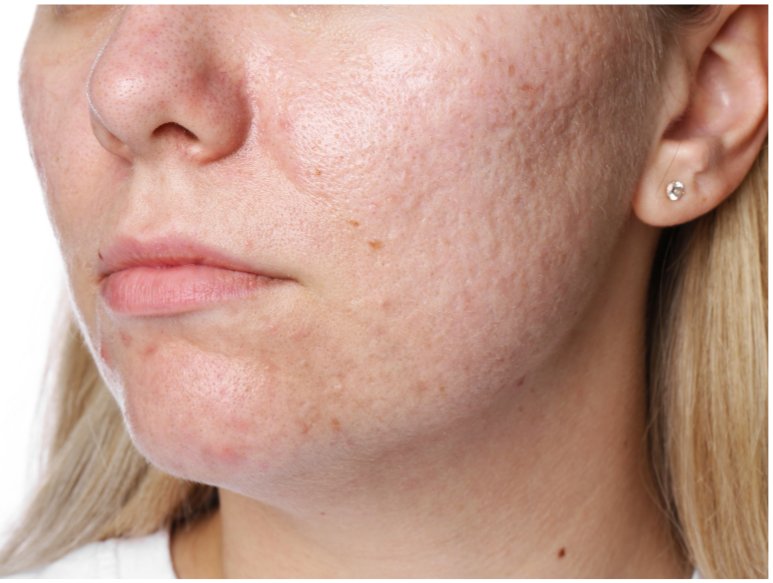
Acne scarring — illustrative photo
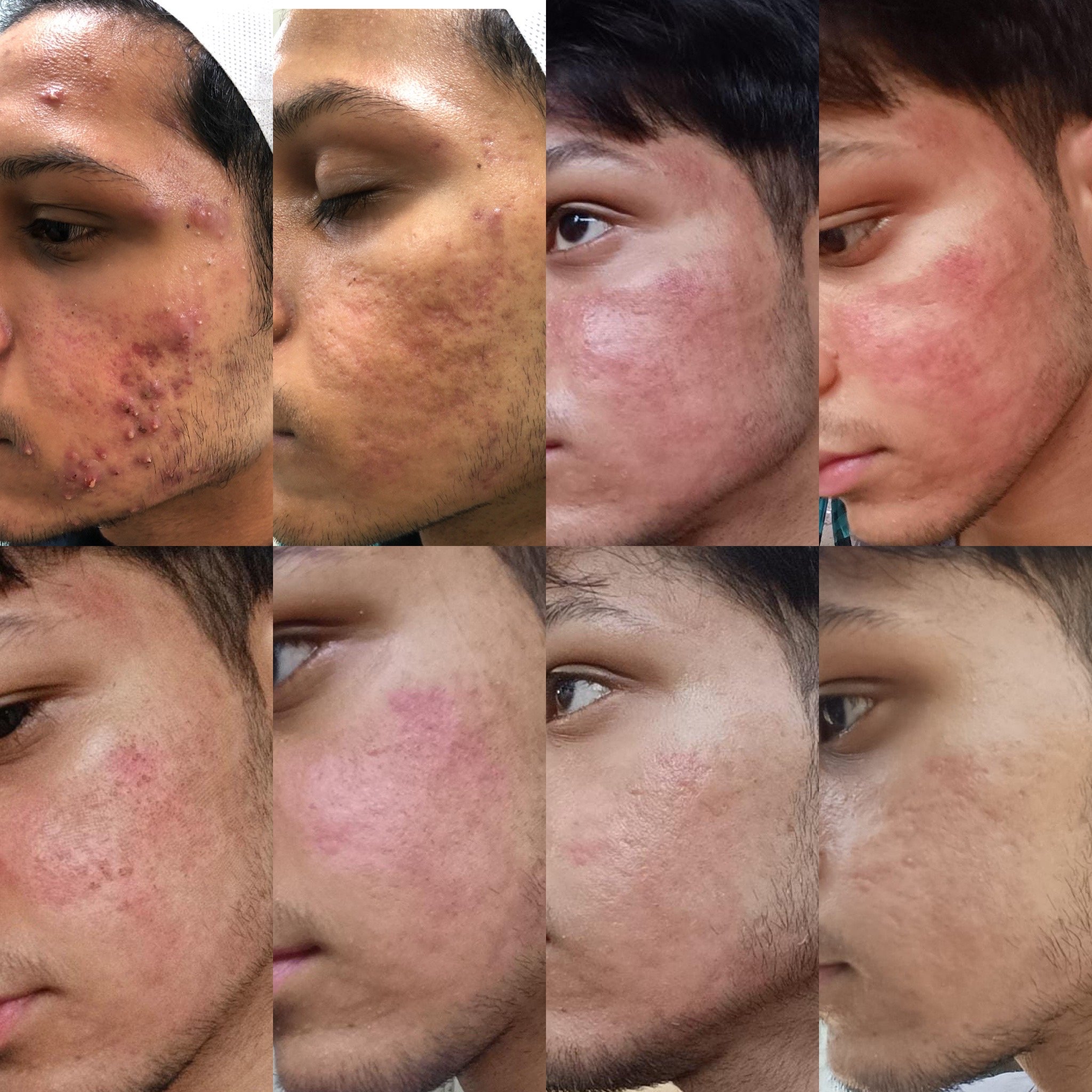
Documented before-and-after cases from our own patients
Every case below is a real Clear Skin Clinic patient, shown with the exact treatment protocol used.
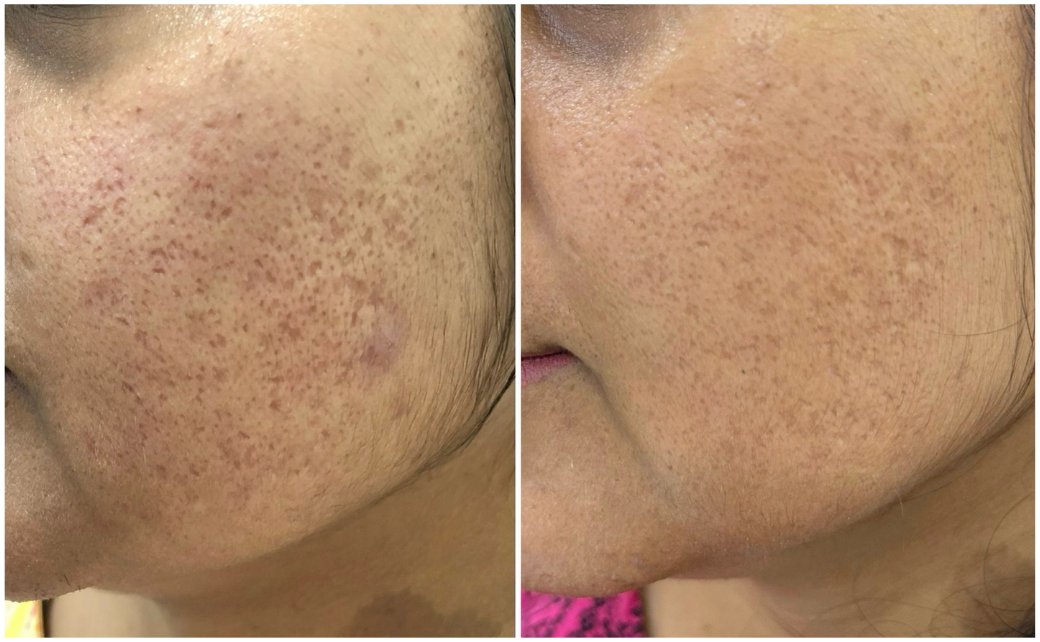
3 Microneedling RF + 2 Fractional CO₂ Laser + 2 TCA CROSS
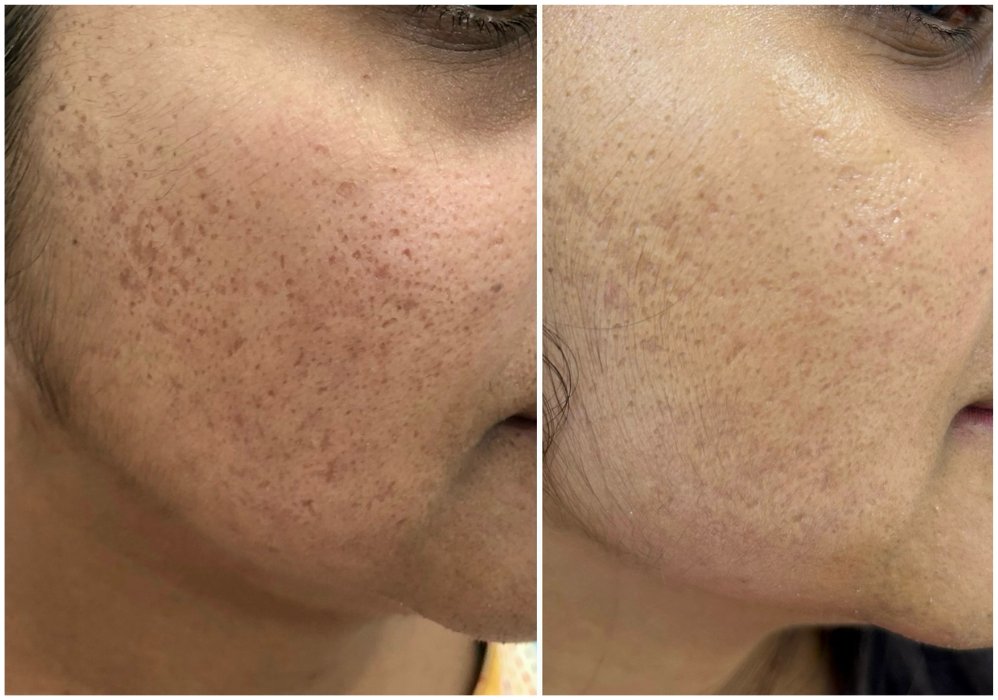
3 Microneedling RF + 2 Fractional CO₂ Laser + 2 TCA CROSS
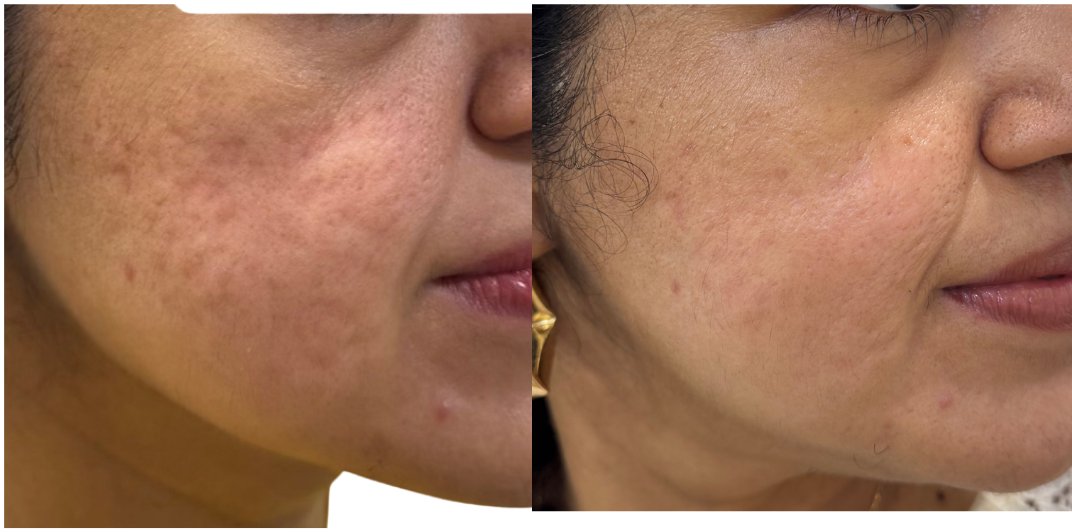
Taylor Liberator Subcision
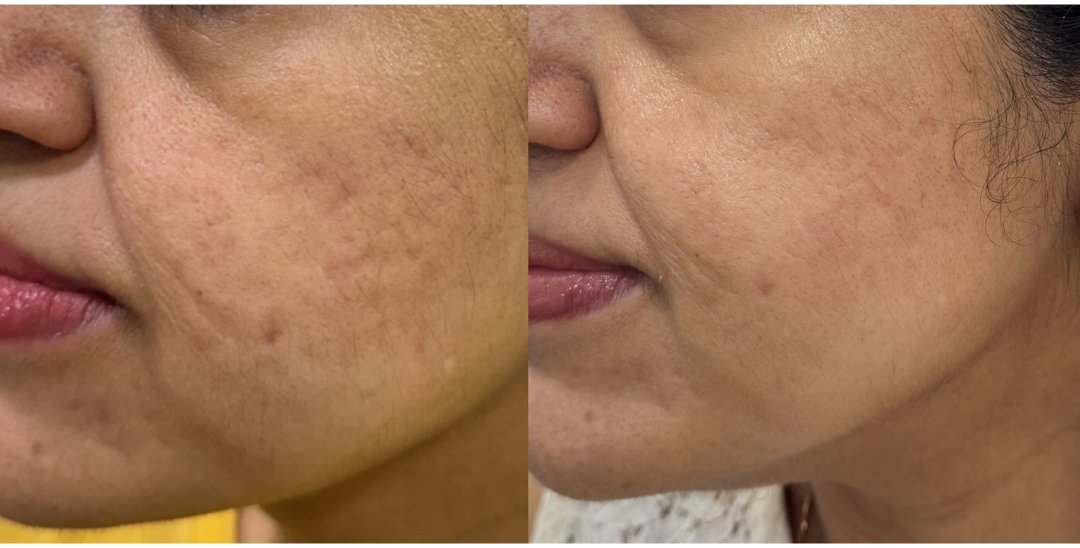
Taylor Liberator Subcision
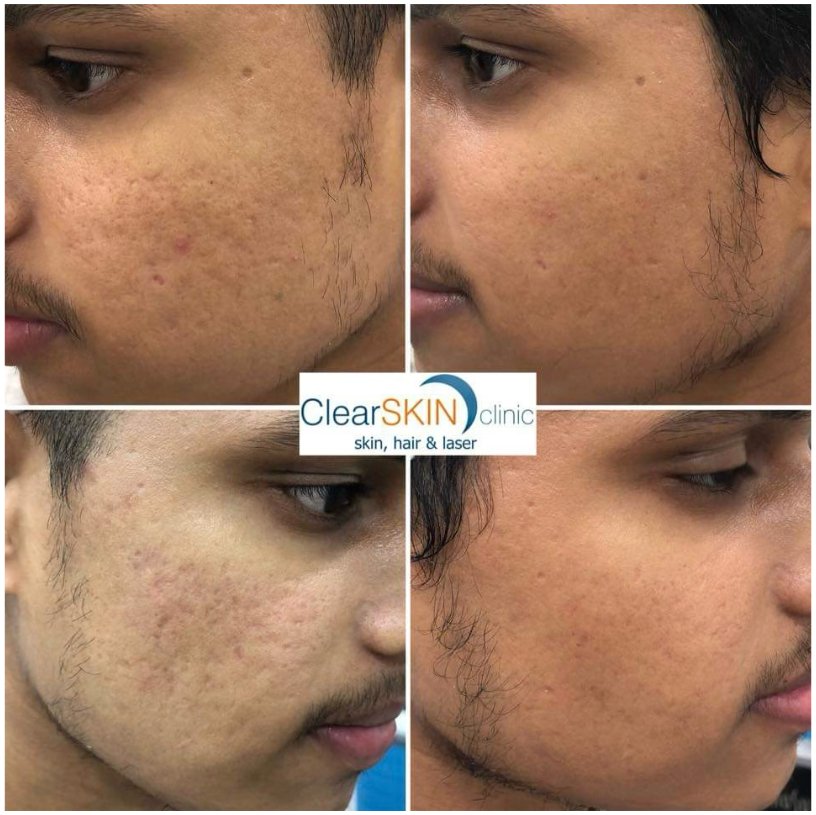
3 Sessions MNRF
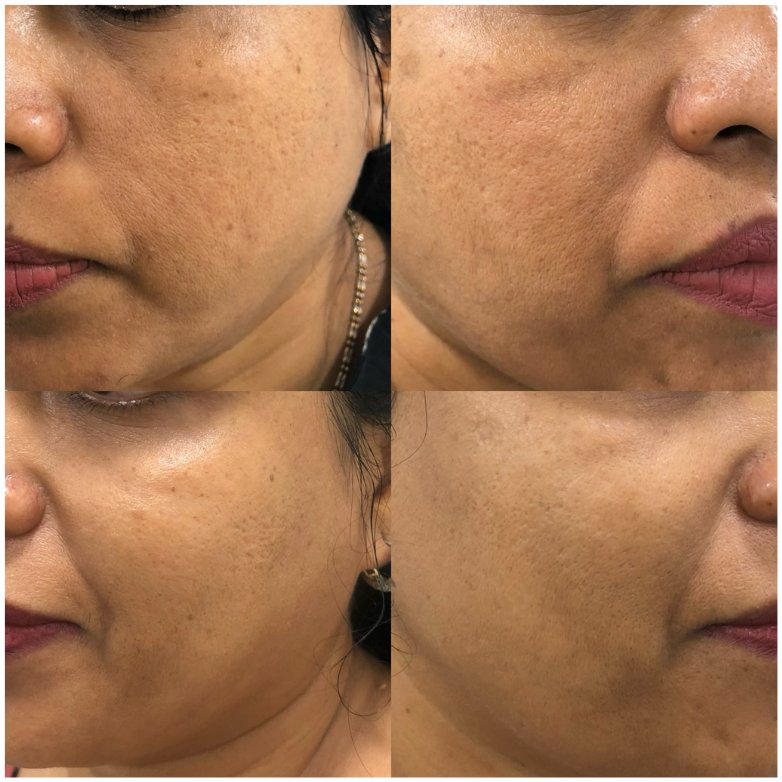
3 Sessions MNRF
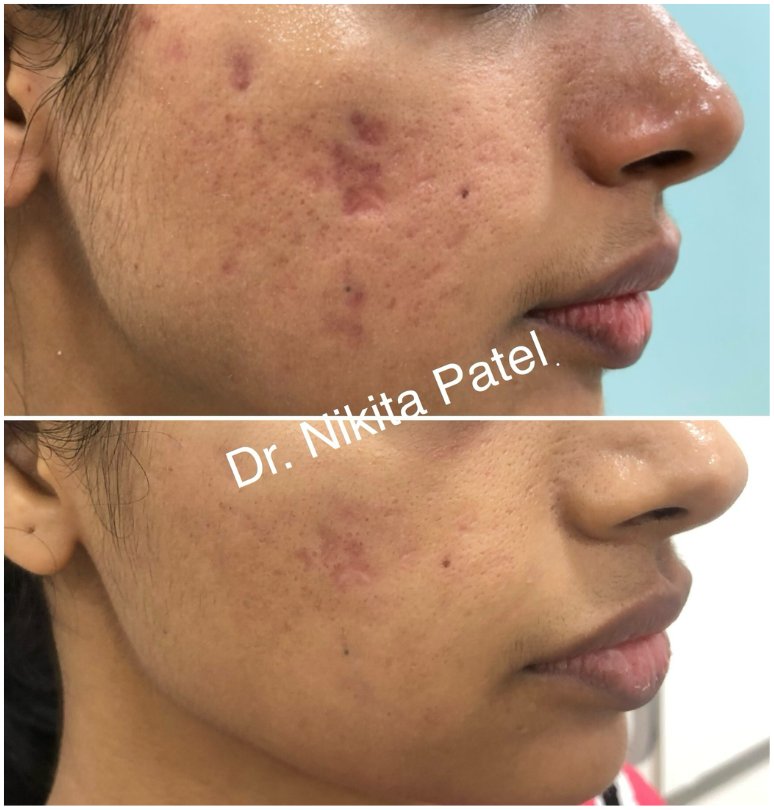
2 Subcision + 4 MNRF + PRP
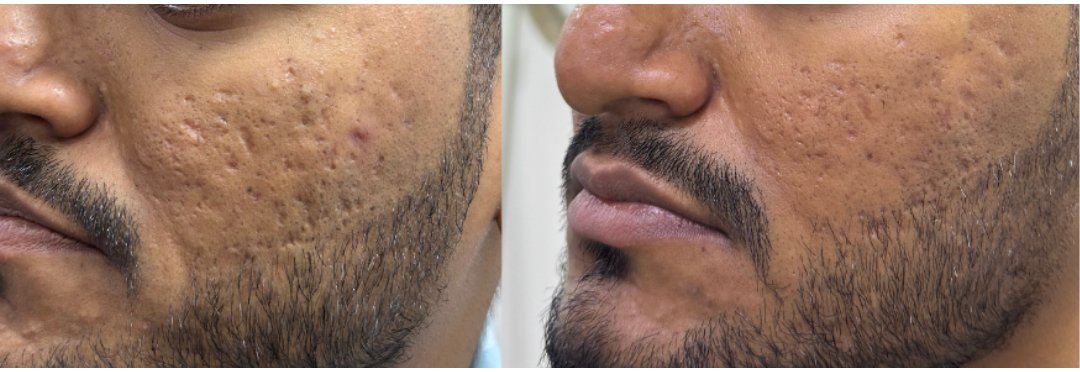
Subcision + 3 MNRF + 2 Fractional Resurfacing + Scar Excision + TCA CROSS + Skin Boosters
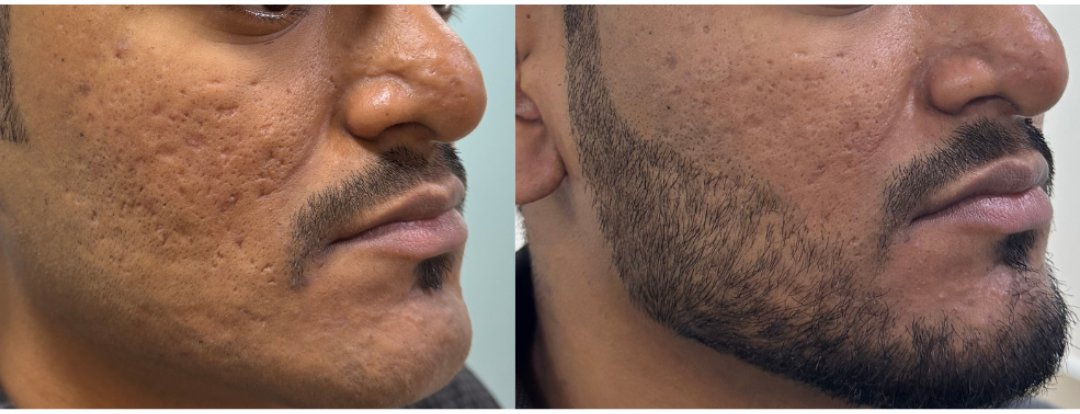
Single Session TCA CROSS with MNRF
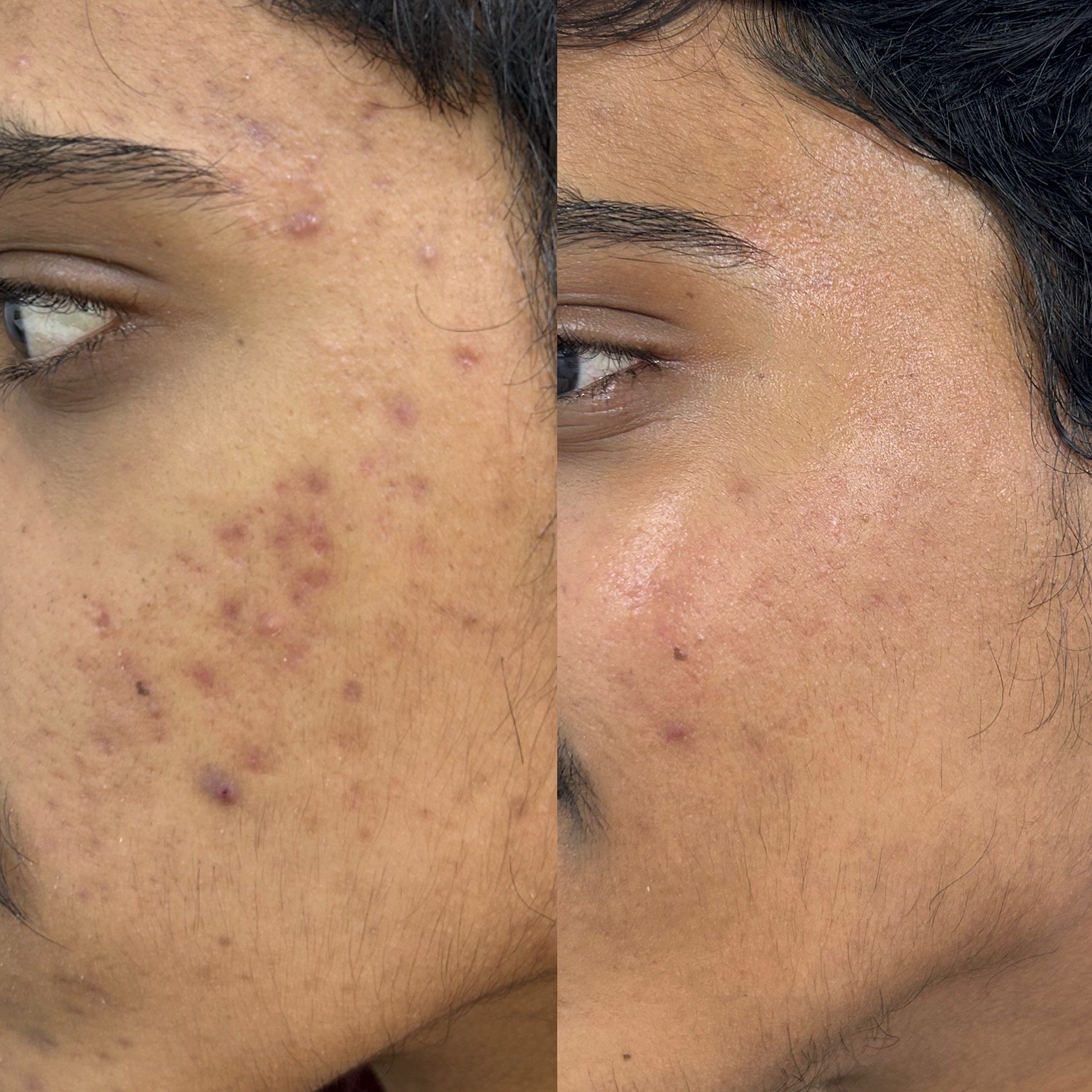
3 Microneedling Radiofrequency + 2 Laser Resurfacing
Single Session Laser Resurfacing
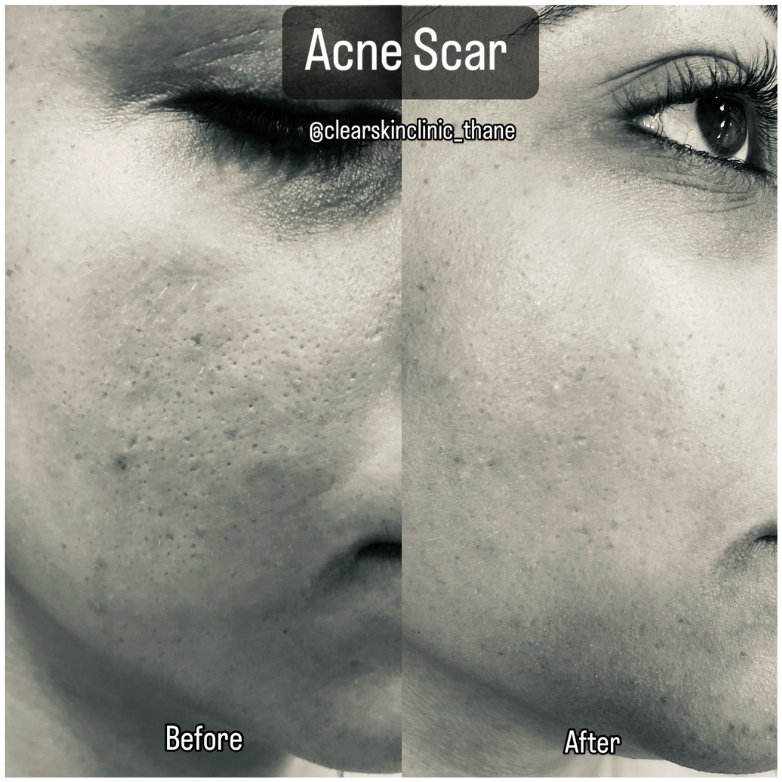
2 Subcision + 4 MNRF + PRP
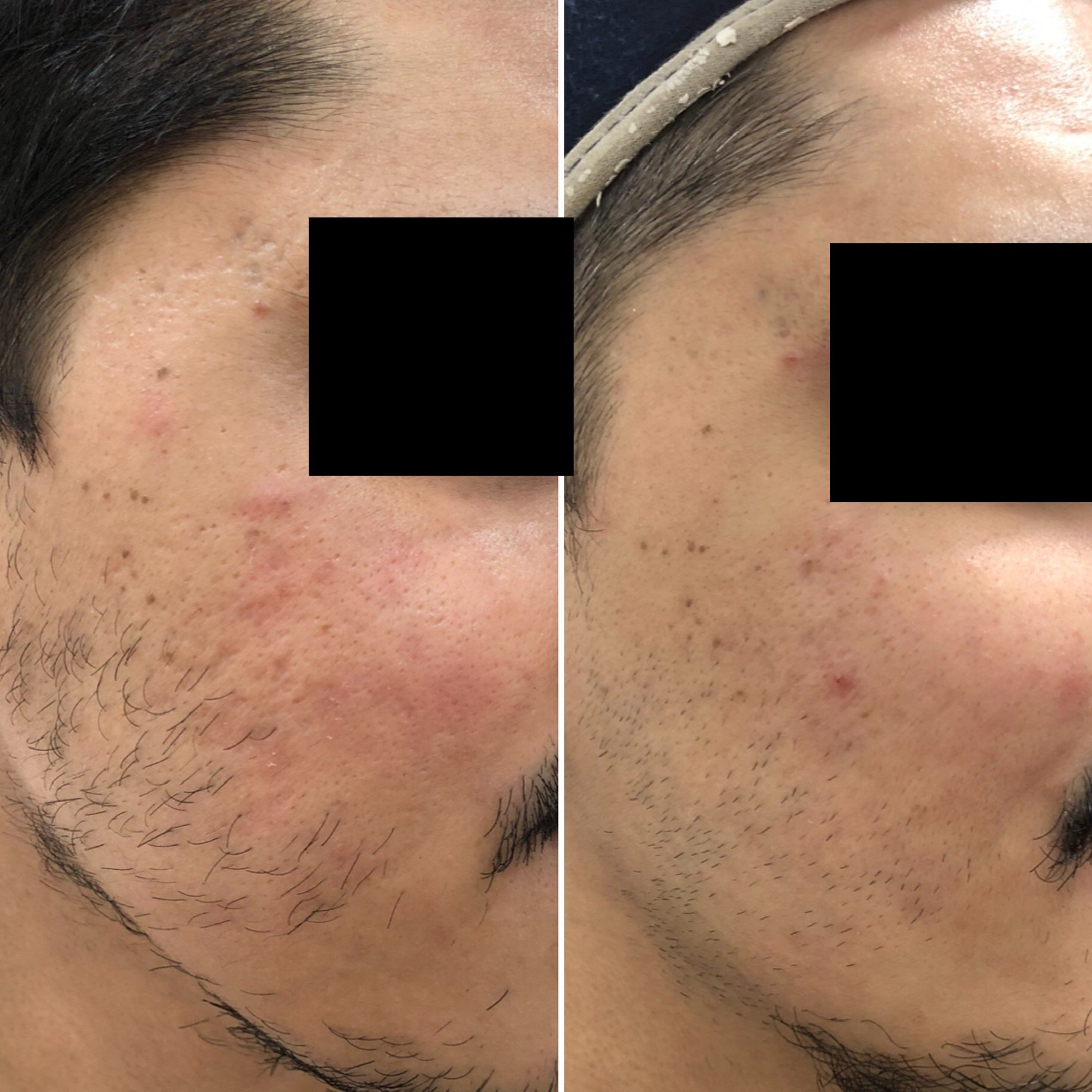
2 Sessions Microneedling Radiofrequency
3 Microneedling Radiofrequency + 2 Laser Resurfacing
Individual results vary. Session counts and combinations shown reflect what each patient's scar pattern required — not a fixed package.
Your scars don't tell the whole story.
Most skin clinics offer acne scar treatment as one line on a long menu of services. We built Clear Skin Clinic around a narrower idea: that acne scarring deserves the same depth of focus as any other specialty in dermatology.
Some patients come to us after treatments elsewhere fell short. Others choose us first, because they'd rather start with a clinic built specifically around this one problem. Either way, your plan begins with detailed scar mapping — not a standard package applied to everyone who walks in.
Led by Dr. Nikita Patel, Clear Skin Clinic, Thane.
Book A ConsultationWhy acne scars happen
Most patients have never had this explained to them — which is exactly why so many end up trying the wrong treatment first.
Acne Inflammation
Collagen Destruction
Tethering
Volume Loss
Scar Formation
Inflamed acne damages collagen beneath the skin. Depending on how the body repairs that damage, the scar tissue can tether the skin down from below, sit in a shallow depression, or lose volume entirely — which is why different scars need different treatments. A single laser addresses the surface; it can't release a tether or rebuild lost volume underneath.
Your scar type decides the path — not the other way around
Here's how a treatment plan actually gets built, once we know what we're looking at.
"Our goal isn't to perform the most procedures. It's to choose the fewest procedures that deliver the greatest improvement for your specific scar pattern."
"I have rolling scars"
"I have ice pick scars"
"I have mixed scars"
This is the general logic — your consultation confirms the exact sequence and session count for your skin.
Four acne scar patterns — each with its own repair strategy
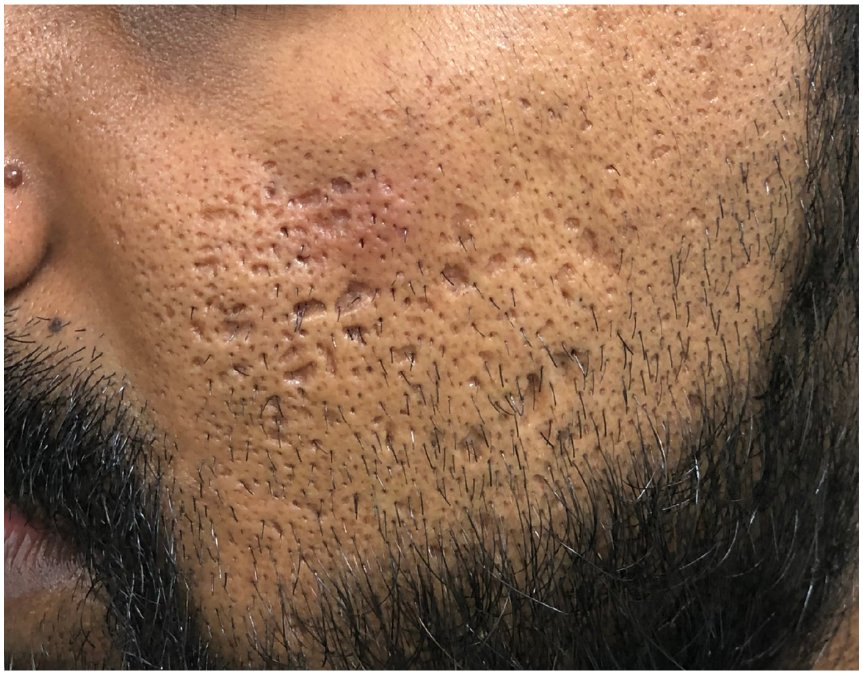
Ice Pick & Deep Box Scars
Deep, narrow scars reaching into the dermis. We treat these with TCA CROSS, punch excision and grafting.
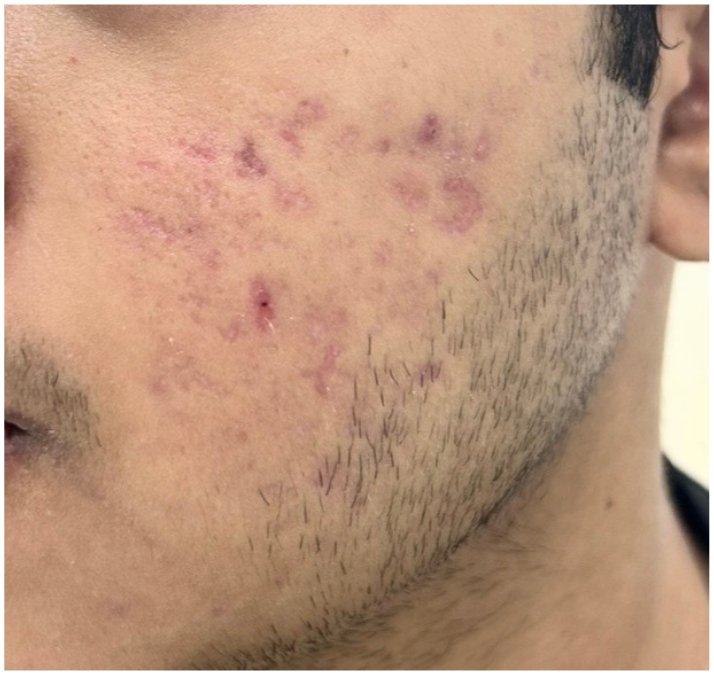
Boxcar Scars
Sharp-edged depressions with defined borders, addressed with laser resurfacing and punch techniques.
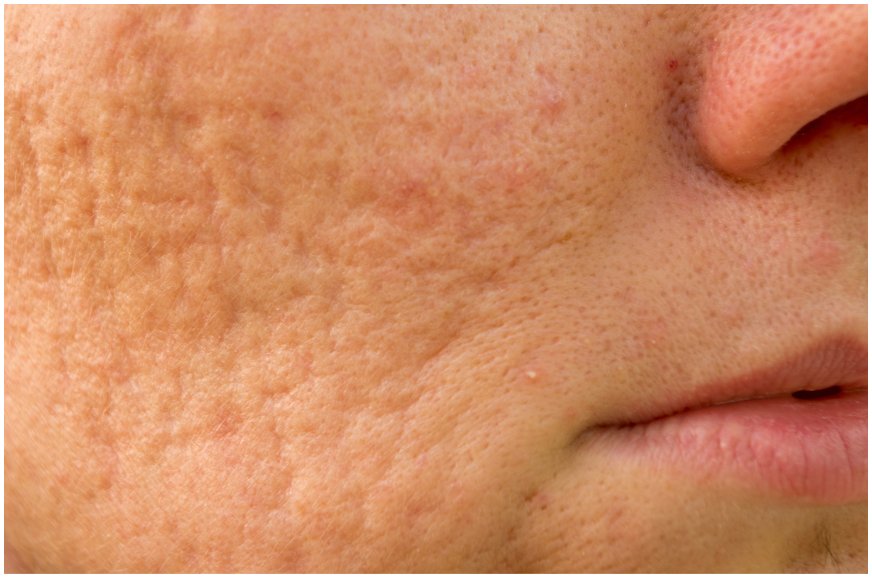
Rolling Scars
Broad depressions tethered beneath the skin by fibrous bands. Subcision releases the tethering to lift the surface.
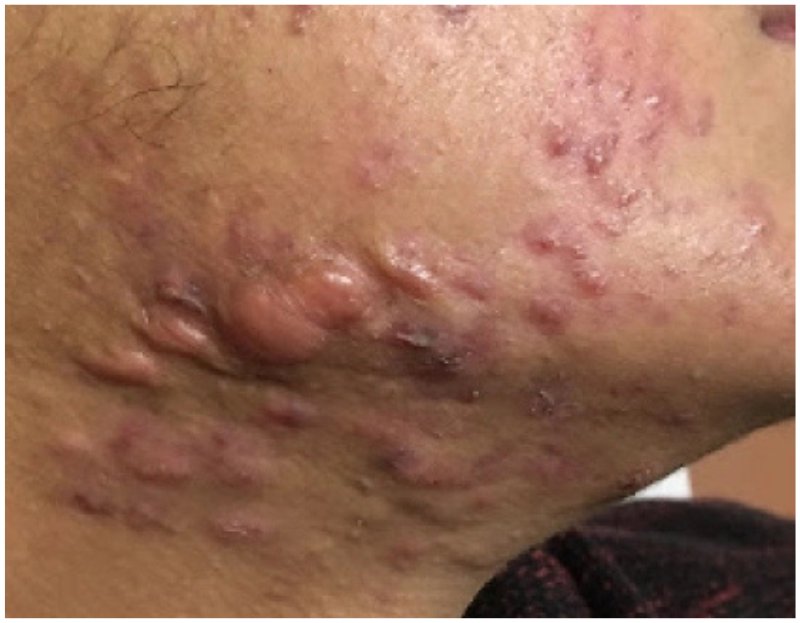
Hypertrophic & Keloid
Raised scars from excess collagen, managed with intralesional therapy and laser — no burn or surgical scars.
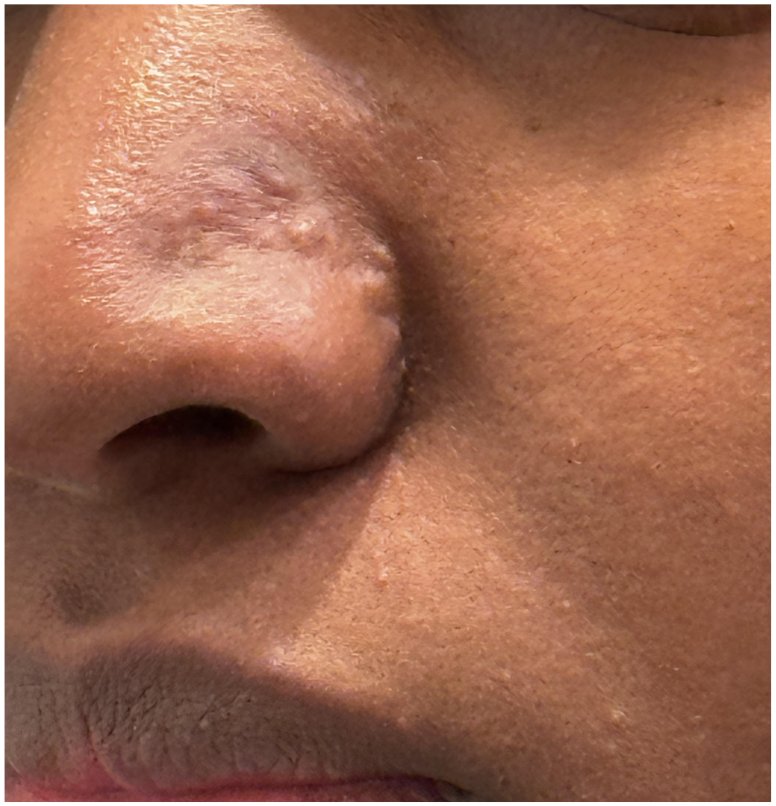
Papular Scars
Firm, raised bumps left after inflamed acne, softened with targeted laser and intralesional treatment.
Clear Skin 360™
Every acne scar patient moves through the same four phases — because scarring is never just a texture problem in isolation.
Control Acne
Active breakouts are brought under control first — treating scars while acne is still active undoes the work.
Reduce Pigmentation
Post-inflammatory marks are addressed so we can see the true scar texture underneath.
Scar Remodeling
The core phase — subcision, TCA CROSS, lasers, needling and fillers, combined to your scar pattern.
Maintenance
Periodic touch-ups and skincare protect the results as your skin continues to remodel collagen.
Where your scarring falls on the Goodman & Baron scale
This is the clinical scale dermatologists use to grade acne scar severity — it's part of how we assess you at your first visit.
Macular
Flat marks — red, pink, purple or brown discoloration with no change in surface texture.
Mild
Mild atrophy or elevation, not obvious from a normal social distance and easily covered by makeup or facial hair.
Moderate
Clearly visible at a normal social distance, but the skin can still be flattened out by gently stretching it.
Severe
Visible at a distance and cannot be flattened by stretching the skin — the most structurally involved scars.
Grading scale: Goodman & Baron, 2006. Most patients present with more than one grade across different areas of the face.
Real results, reviewed by real patients
Read verified patient reviews of Clear Skin Clinic's acne scar treatments on Google before you book.
Your first appointment, explained
Scar Mapping
We evaluate your scar type, depth, texture and how it sits against the surrounding skin.
Skin & History Review
Your skin type, healing history and any previous treatments inform what we recommend next.
A Plan You Understand
You leave with a clear, personalized protocol — and a realistic view of the timeline ahead.
Every scar and every patient heals differently
Select a treatment to see when it's used and how it works.
Scars are tethered beneath the skin, creating rolling depressions or uneven texture.
A needle or cannula is passed under the scar to release the fibrous bands anchoring it to deeper tissue, letting the surface lift while the controlled injury encourages new collagen.
Ice pick scars and other narrow, deep scars need focused remodeling from within.
A high concentration of trichloroacetic acid is applied precisely to the base of each scar, triggering a localized healing response that rebuilds collagen and narrows the scar.
Surface texture and definition need improvement across boxcar or mixed acne scarring.
Fractional CO₂ laser and RF microneedling create controlled micro-injury in the deeper skin layers, stimulating collagen remodeling while protecting the surface — settings calibrated for Indian skin tones.
Volume loss beneath the scar is contributing to a visible depression.
Hyaluronic acid or biostimulatory fillers are placed beneath the scar to restore lost volume and lift the surface, with some formulations also encouraging the skin's own collagen production.
An individual scar is too deep or sharply defined to respond predictably to less invasive treatment alone.
The scar is removed with a small circular tool and the edge closed or grafted, replacing a deep, defined scar with a fine line that heals far less visibly.
A scar is raised — hypertrophic or keloid — rather than depressed.
Corticosteroid, sometimes combined with 5-fluorouracil, is injected directly into the raised scar to break down excess collagen and flatten the surface over a series of sessions.

Dr. Nikita Patel
DNB, DVD — Dermatologist, Cosmetologist & Trichologist, trained at Armed Forces Medical College, Pune
Every consultation starts with a careful reading of how your skin actually healed — not a generic checklist. That focus on scar structure, skin type and healing history is what shapes a plan built specifically for you.
Because Clear Skin Clinic treats acne scarring exclusively, every recommendation draws on a narrower, deeper base of experience than a general dermatology menu allows.
You might be wondering…
When inflammation from a breakout damages the skin, the body rushes to repair it and often produces too little or too much collagen in the process. Too little leaves a depressed scar — ice pick, rolling or boxcar. Too much leaves a raised, hypertrophic or keloid scar.
Complete removal is rarely possible, but 50–80% improvement is achievable with the right combination of therapies for your scar type.
Most plans involve 3–6 sessions, spaced weeks apart, depending on scar depth and how your skin responds along the way.
Topical or local anesthesia keeps procedures comfortable. Downtime varies by treatment, typically 1–7 days, with clear aftercare instructions provided.
Early improvement is often visible around 3 months, with collagen remodeling continuing for up to 12 months after your last session.
Start with a scar mapping consultation
1, Amritraj Society, Gurukul Road, Panchpakhadi, near State Bank of India, Thane West, Maharashtra 400602. Our clinic team will call to confirm your appointment.